
Keto Diet Plan: The Ultimate Guide for Beginners & Advanced Users
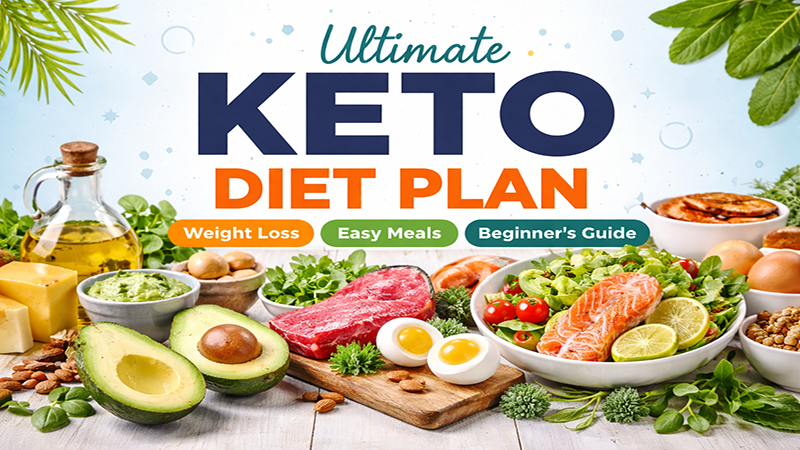
The keto diet plan, or ketogenic diet, is one of the most popular ways to lose weight on keto, increase daily energy, and improve mental focus. This low-carb, high-fat diet is quite different from traditional meal plans. It mainly focuses on healthy fat sources, moderate protein, and very low carbohydrates that induce a metabolic state called ketosis in your body.
When your body enters the ketosis process, it rapidly changes its source of energy from glucose (carbohydrates) to stored fat. This is a fat-burning process that, if followed correctly, can bring about fat loss, better energy levels, and improved appetite control.
Why You Need This Keto Diet Guide
We put together this detailed ketogenic diet plan for beginners to help you transition into keto smoothly and make it easy for you to stick to it. Whether you are after fat loss, metabolic health, or getting more focus, this guide offers simple and practical steps.
In this guide, you will learn:
- Step-by-step instructions for beginners starting a ketogenic lifestyle
- Practical keto meal planning strategies you can follow daily
- Tips for maintaining energy and avoiding common keto mistakes
- Simple product suggestions that can support ketosis (optional affiliate tools)
Sustainable keto habits for long-term success
What is the Keto Diet?
The ketogenic diet plan is about training your body to use fat instead of glucose (carbs) as its energy source. This metabolic change is called nutritional ketosis, in which the body produces ketones, which are used as an energy source instead of glucose.
Ketosis starts when reducing carbs lowers glucose levels, forcing the body to enter a fat-burning metabolic state. According to trusted health organizations like the Mayo Clinic, ketogenic diets can be of help for controlling body weight and blood sugar levels if used wisely.
Key Features of the Ketogenic Diet
The knowledge of keto macros is vital for staying in ketosis and getting the desired outcomes.
The usual macronutrient distribution consists of:
- Carbohydrates: 5–10% of total daily calories (very low carb restriction)
- Protein: 20–25% (supporting muscles without excess intake)
- Fats: 70–75% (main fuel from good fats)
Keeping this macronutrient balance ratio allows the body to stay in nutritional ketosis, thereby enabling the usage of body fat utilization and enhancing metabolic flexibility.
Benefits of Keto Diet
The ketogenic diet has quite a few upsides health-wise and lifestyle-wise, if it is implemented the right way. A lot of persons use this low-carb diet plan for the dual purpose of weight loss and improving metabolic health.
Key Benefits of Keto
- Accelerated fat loss without intense starvation due to better appetite regulation
- Blood sugar levels that are persistent and do not fluctuate indirectly lead to metabolic health and insulin balance
- Enhanced mental clarity and focus, as the brain is powered by ketones, which are a more reliable source of energy
- Energy throughout the day is practically consistent with less likelihood of sudden energy drops that are usually associated with high-carb meals
Cleveland Clinic, among others details in their publication that low-carb diets might be a good way not only for weight management and blood sugar stability but also to keep blood sugar levels in check, especially for people who are insulin resistant.
The ketogenic lifestyle is really effective but it might also come with some little hiccups at first, especially as your body gets used to the new changes and adapts to keto.
Some Challenges with Keto
- Keto flu: Feeling tired, having a headache and nausea, and getting dizzy are some of the symptoms during the first few days of the body going into ketosis
- Electrolyte imbalance: You lose sodium, potassium, and magnesium when you eat less carbs
- Digestive changes: A few people might even get some digestive discomfort during the transition phase
- Not suitable for everyone: People with certain liver, kidney, or metabolic conditions should check with their healthcare professional before starting
Medical professionals from various bodies, such as the American Heart Association, point out that anyone with existing health issues should definitely get expert permission before going on a completely new diet.
Tips to Start Keto Successfully
Following a keto diet plan for beginners is no simple feat for the first time, but a structured habit lifestyle can help make it both easier and more enjoyable.
Beginner-Friendly Keto Tips
- Track your keto macros (carbs, protein, fats) to stay in ketosis.
- Drink plenty of water in order to keep yourself hydrated and your electrolytes balanced.
- Increase sodium, potassium, and magnesium intake to ward off symptoms of the keto flu.
- If you want, you may take keto foods with you on the go, such as nuts, cheese, or boiled eggs, to help curb your craving.
- Plan simple keto meals to avoid accidental carbohydrate intake
Tip for Beginners: Habitual keto meal prep and monitoring daily carb consumption will greatly enhance your probability of remaining in a state of nutritional ketosis.
Keto Foods: What to Eat & Avoid
Selecting the right keto-friendly foods plays a significantly role in how well you can sustain nutritional ketosis. One of the essential factors in bringing about a successful ketogenic diet is the consumption of healthy fat sources, a moderate level of protein, and a very limited intake of carbohydrates so that your body can enter and maintain the state of ketosis, thereby enhancing overall metabolic health.
Getting familiar with which foods aid ketosis and which can sabotage it is a great way to avoid the most common errors and obtain better results in the long run.
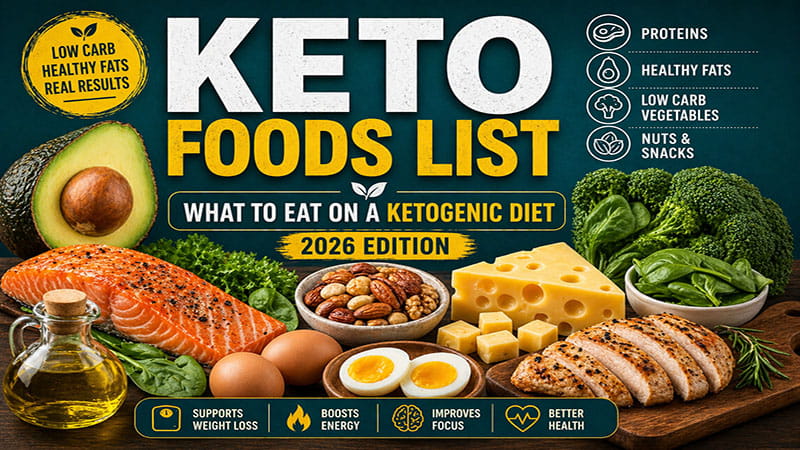
Foods to Eat on a Keto Diet
Here are some keto-friendly, low-carb, and high-fat options that keep your body in a state of ketosis, thereby promoting fat-burning metabolism.
Protein Sources (Moderate Intake)
Besides proteins, the main elements of life, which also help keep the energy levels during the keto adaptation phase, are muscles. Protein helps muscle health.
- Chicken
- Eggs
- Fish (salmon, tuna, sardines)
- Beef
- Turkey
- Tofu and plant-based protein options
These food items, full of proteins, not only support muscle preservation but also assist in maintaining a good macronutrient balance.
Healthy Fat Sources (Primary Energy Fuel)
Healthy fats that can be considered an integral component of a low-carb high-fat diet and that naturally deliver long-lasting energy are
- Avocados
- Olive oil
- Butter and ghee
- Coconut oil
- Nuts (such as almonds, walnuts, pecans)
- Seeds (chia seeds, flaxseeds, sunflower seeds)
Besides supporting the body’s fuel needs in ketosis, these healthy fat sources also contribute to keeping your energy levels stable throughout the day.
Low-Carb Vegetables
Vegetables low in carbohydrates are an excellent source of fiber, minerals, and vitamins, but quite low in carbs to be added to your daily count.
- Spinach
- Broccoli
- Cauliflower
- Zucchini
- Kale
- Cabbage
Besides contributing to healthier eating, these low-carb vegetables facilitate better digestion and overall nutritional balance.
Keto-Friendly Snacks
Healthy snacks can help reduce cravings and make the ketogenic lifestyle easier to maintain.
- Cheese sticks
- Keto fat bombs
- Olives
- Boiled eggs
- Nuts and seeds
Pro Tip: Preparing keto snacks in advance supports consistent keto meal prep and helps prevent accidental consumption of high-carb foods.
Foods to Avoid on a Keto Diet
Sticking to low-carb or no-carb foods is necessary if you want to keep your carbohydrate intake low and maintain the state of ketosis. Even tiny amounts of hidden carbohydrates might derail the fat-burning metabolic state.
High-Carb Foods to Avoid
- Bread
- Pasta
- Rice
- Potatoes
- Sugary foods and desserts
- Sweetened beverages
- Most fruits (except berries in moderation)
- Processed snacks with added sugars
Cutting down on these carbohydrate-rich foods stabilizes your blood sugar levels and promotes sustainable keto weight loss.
Beginner Tip: Making a keto grocery list before shopping makes you less confused and more likely to pick the keto-approved ingredients.
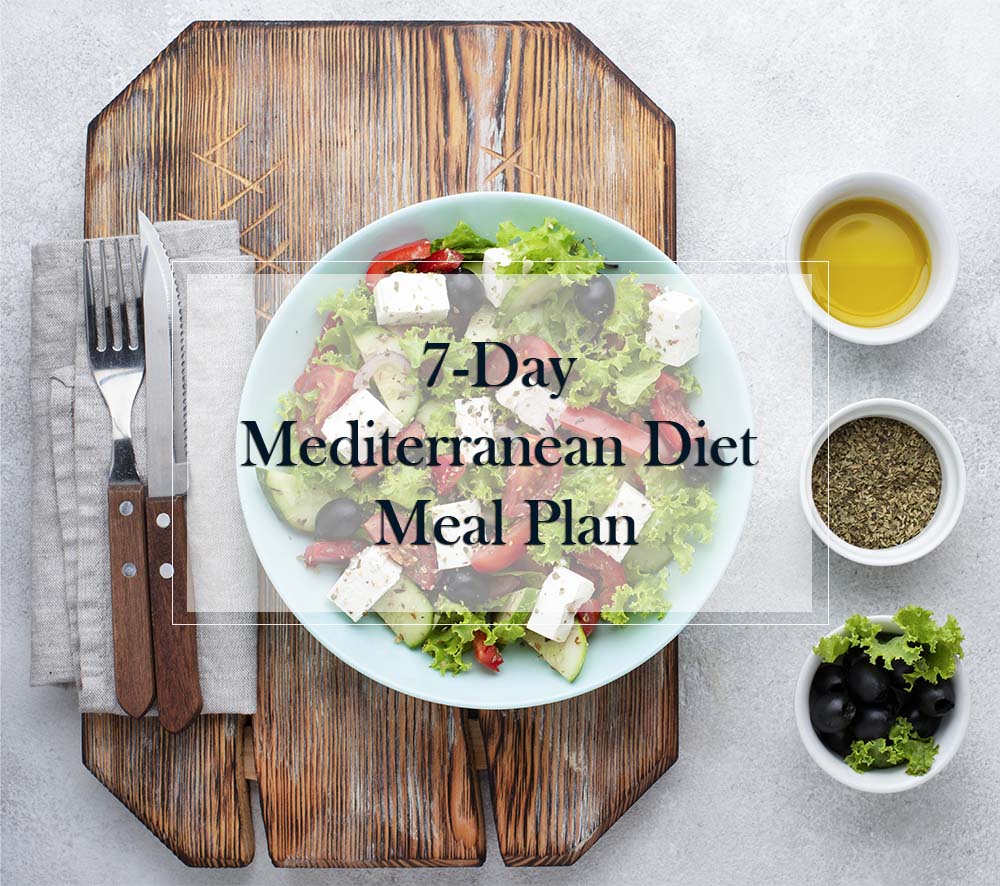
Sample 7-Day Keto Meal Plan
This 7-day keto meal plan aims at introducing beginners to keto meal planning with simple, macro-balanced meals that facilitate nutritional ketosis.
Having a planned keto diet menu enhances your consistency, limits decision fatigue, and ensures you stay within your carb allowances daily.
7-Day Beginner Keto Meal Plan
| Day | Breakfast | Lunch | Dinner | Snack |
| Day 1 | Scrambled eggs with avocado | Grilled chicken salad | Salmon with asparagus | Keto fat bomb |
| Day 2 | Keto smoothie with almond milk | Zucchini noodles with pesto | Beef stir fry | Cheese sticks |
| Day 3 | Omelette with spinach & cheese | Cobb salad | Garlic butter shrimp | Almonds |
| Day 4 | Chia pudding | Tuna salad lettuce wraps | Roast chicken & broccoli | Olives |
| Day 5 | Bulletproof coffee | Egg salad | Pork chops with cauliflower mash | Keto cookies |
| Day 6 | Greek yogurt with nuts | Turkey lettuce wrap | Keto pizza (low-carb crust) | Keto brownies |
| Day 7 | Bacon & eggs | Chicken Caesar salad | KGrilled salmon & green beans | Mixed nuts |
Tips for Effective Keto Meal Planning
Following a structured keto meal plan improves long-term success and helps maintain consistent ketosis.
Meal Planning Tips
- Rotate protein sources to prevent boredom and maintain nutritional variety
- Prepare meals in advance using simple keto meal prep techniques
- Track daily carb intake to avoid exceeding ketosis limits
- Include healthy fats in every meal to maintain energy levels
- Keep keto snacks available to reduce cravings between meals
Smart Strategy: Consistent keto meal planning significantly improves adherence to the ketogenic lifestyle and supports long-term weight management.
Keto Diet Tips for Beginners
When starting a keto diet plan for beginners, the first few days can feel a bit challenging while your body is adjusting to nutritional ketosis. However, maintaining a healthy ketogenic lifestyle can be made easier and more sustainable through following structured habits and using the right tools.
These beginner-friendly tips will help you keep your carb restriction low, continue to maintain electrolyte balance, and eventually make keto a better part of your life.
Essential Keto Tips for Beginners
If you desire to remain consistent and get better results with your ketogenic diet plan, then these tried and tested techniques are for you:
- Track your keto macros using apps like Carb Manager or MyFitnessPal to monitor daily carbohydrate intake and maintain ketosis.
- Stay hydrated daily, water and electrolytes, such as sodium, potassium, and magnesium, are essential for reducing symptoms of keto flu during the early stages of keto adaptation.
- Prepare meals in advance using simple keto meal prep techniques to avoid accidental carb intake and maintain consistent eating habits.
- Consider keto-friendly supplements, such as MCT oil or exogenous ketones, which may support energy production and help maintain ketosis (optional affiliate placement opportunity).
- Listen to your body signals, adjust fat and protein intake depending on energy levels, activity, and personal health goals.
Beginner Tip: Consistent macro tracking and meal planning are two of the most effective habits for maintaining long-term keto sustainability.
Frequently Asked Questions
Can I eat fruit on a keto diet?
Almost all fruits contain high levels of natural sugars and carbs that can easily put a halt to nutritional ketosis. Nevertheless, low-carb fruits like berries (strawberries, blueberries, raspberries) can still be consumed in small amounts while sticking to the daily carb requirements.
How long does it take to enter ketosis?
The time it normally takes for a person to get into ketosis is 2–7 days. It varies according to how strictly the carb restriction is, the amount of physical activity, and the metabolic rate. The reduction in carbohydrate intake to levels below the recommended limits plays an important role in speeding up the ketosis process, which is supported by nutrition guidelines from reliable medical institutions like the Mayo Clinic.
Can I build muscle on a keto diet?
Indeed, ketogenic diets are compatible with increasing muscle mass, as long as the person consumes enough protein and exercises resistance training regularly. Appropriate macronutrient balance allows muscle regeneration at the same time as the body is being optimized for fat burning.
Are there keto diet products I should buy?
It is perfectly fine to go without such products, but they may make things easier for those just starting. Besides the transition phase, products that may come in handy are:
- Keto snacks
- Fat bombs
- MCT oil
- Keto-friendly sweeteners
- Low-carb baking ingredients
These products facilitate compliance with meal plans and decrease cravings. Therefore, they are excellent for subtle commercial or affiliate placement without alarming the readers.
Wrapping Up
A ketogenic diet is more than just a current fad, it’s a scientifically based eating method that, when properly implemented, can promote fat loss, boost your energy throughout the day, and sharpen your mental focus.
- Emphasize fats that are high-quality fats and moderate protein
- Reduce your carb intake enough to keep your body in remission
- Implement a well-organized keto meal
- planning to be more consistent
- Monitor your results with the help of dependable gadgets and apps
- Drink enough water and keep your electrolytes balanced
- Make a keto lifestyle your permanent change for sustained results
Final Tip: Proper planning of a ketogenic diet plan, along with education and preparation, can play a major role in keeping metabolic health and weight management in check over the long run.

A keto diet plan is a low-carb, high-fat eating strategy designed to shift the body into ketosis, where fat becomes the main energy source instead of carbohydrates. Most keto plans limit carbohydrates to 5–10% of daily calories while increasing healthy fats and moderate protein intake. This structured approach supports weight loss, improves energy levels, and helps maintain stable blood sugar when followed consistently.