
Latest Breast Cancer Treatments: Modern Advances, Targeted Therapies & Future Innovations
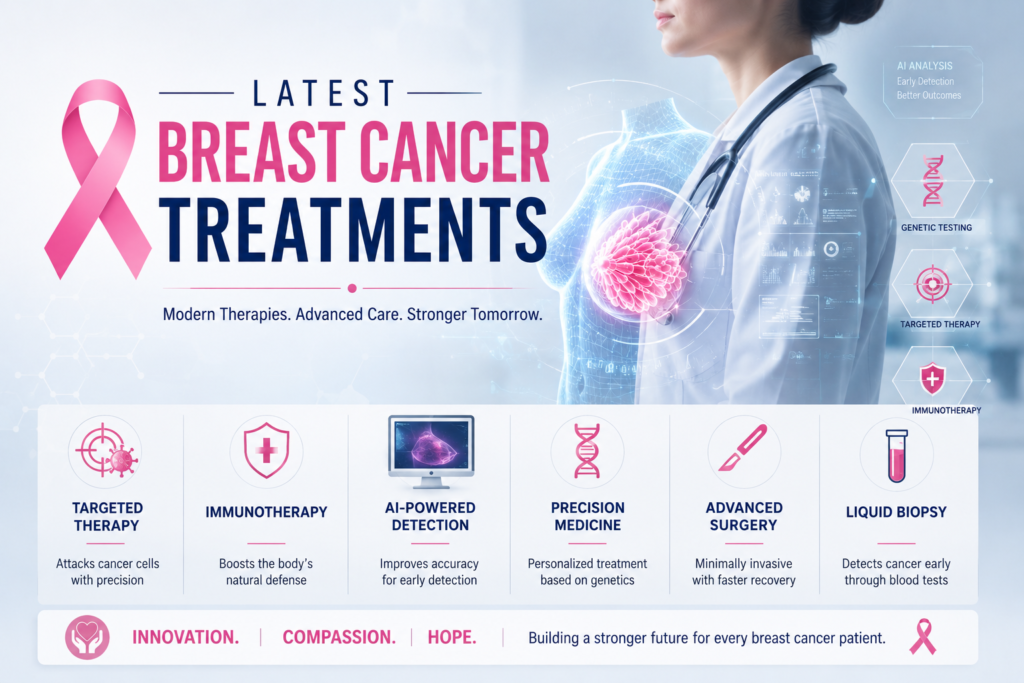
The top cancer that women have been breast cancer globally for more than a decade. It accounts for nearly a quarter of all cancer cases worldwide. Breast cancer is seldom diagnosed using an X-ray, in which only male patients are mentioned. So, everybody must know the facts. It is still a major global health challenge, but recent advances in early detection, treatment approaches, and survival outcomes are transforming the future of breast cancer care.
The treatment of breast cancer has been revolutionized by the introduction of AI-powered detection tools, targeted therapies, immunotherapy, and minimally invasive surgical techniques, among others. Today, it is not only about surviving, but also about having a good life during and after the therapy.
This handbook comprehends the current treatment modalities, the patient’s experience, and the progress made in breast cancer therapy that is leading to a new era.
Key Highlights of Modern Breast Cancer Treatment
Personalized & Precision Medicine: Instead of relying on traditional methods, the physicians employ genetic, protein, and biomarker analyses to customize therapy for every patient.
Targeted Therapies & Immunotherapy: The therapies that concentrate on malignant cells only aim at lessening the side effects and prolonging the patients’ lives instead of killing healthy tissues as usual.
AI & Robotics in Oncology: One of the major contributions of artificial intelligence is the early detection of cancer, and the use of robotics in surgeries has enhanced safety as well as made recovery quicker.
Shorter, Smarter Treatments: The three traditional methods of treating cancer – radiation, chemotherapy, and hormone therapies- are now being administered in ways that are more efficient and less toxic.
Holistic & Lifestyle Support: The emotional and physical well-being, dietary needs and physical exercise have been incorporated into the cancer care program for a complete and long-term recovery.
Understanding Modern Breast Cancer Care
Types of Breast Cancer
Breast cancer doesn’t fall under just one category – several subtypes are known, and their characteristics vary. For instance, triple-negative breast cancer is rapid in its development and challenging to control as it is non-responsive to hormone therapy, but HER2-positive breast cancer might be harsh at the beginning stages; however, it responds favorably reaction from targeted HER2 treatments. Consequently, the doctor gets you the right therapy by using the subtype to exclude the drugs that could have side effects and are not effective for you.
More here: [Types of Breast Cancer Explained: Symptoms, Risk, and Treatment Options]
Importance of Early Detection
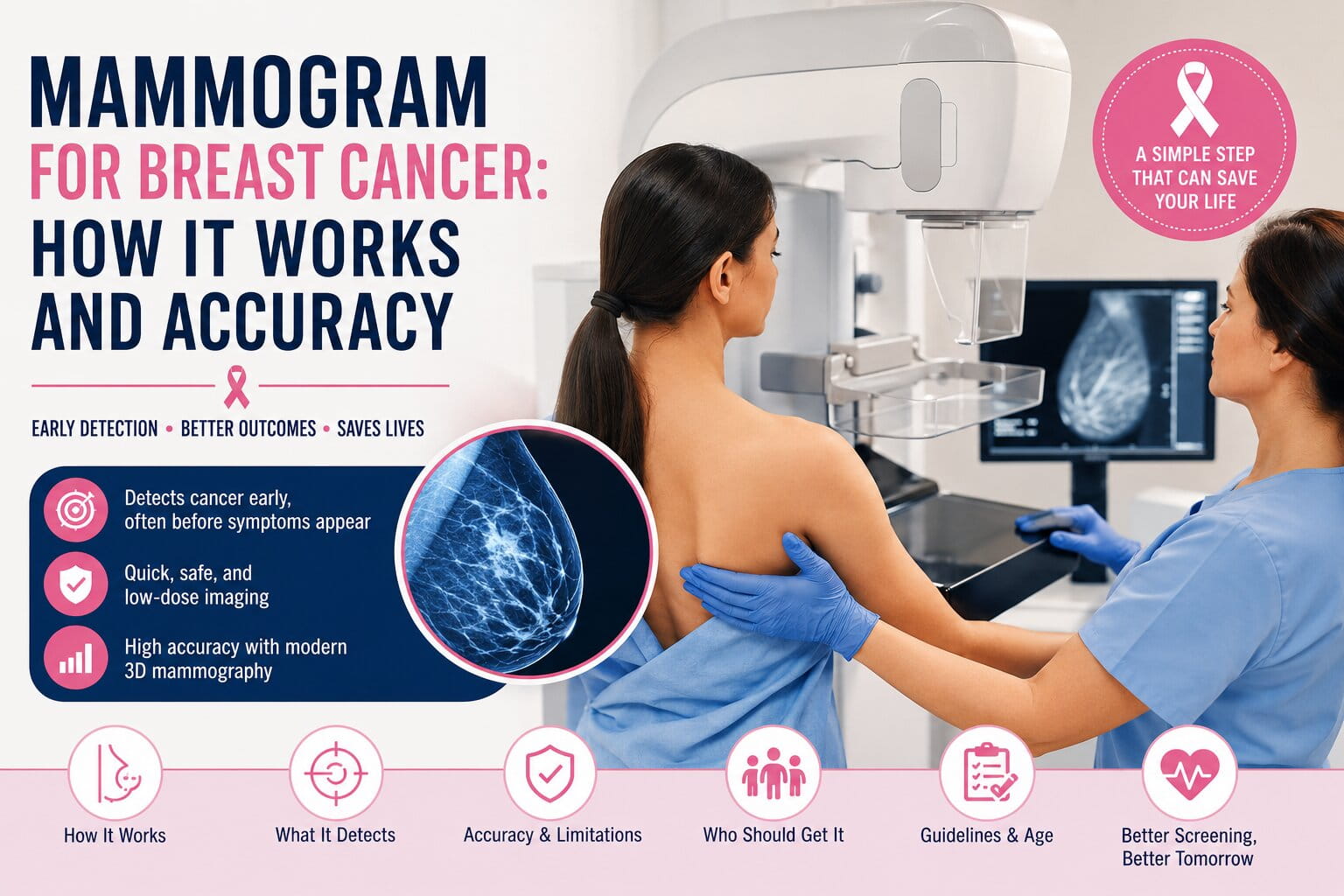
The early detection of breast cancer is among the main causes of patients’ survival. Presently, AI-assisted mammograms, 3D imaging, and liquid biopsy have made it possible to detect cancer at an earlier stage with more precision than traditional screening methods. As a result, there is an important trend in the diagnosis of women at their pre-symptomatic stage, which has a great positive impact on the treatment outcome.
2. Modern Breast Cancer Surgery: Less Invasive, More Precise
Breast-Conserving Surgery (Lumpectomy)
At present, lumpectomies are indeed successful in preserving the breast tissue and working while getting rid of the tumor. In many cases, robotic-assisted surgery and real-time imaging are now used to ensure precise tumor removal while minimizing damage to surrounding healthy tissue.
Therefore, the patient is allowed to have less scarring, more attractive cosmetic results, and quicker healing.
Mastectomy Innovations
Mastectomy procedures have advanced with nipple-sparing and skin-sparing techniques, giving patients more natural-looking results after reconstruction. Additionally, researchers are testing bioengineered breast tissue and 3D bioprinting, which could one day eliminate the need for implants. These options offer both physical and emotional benefits for patients undergoing mastectomy.
Sentinel Lymph Node Biopsy
Previously, lymph nodes were removed quite aggressively, which led to the painful swelling condition (lymphedema). With the use of sentinel lymph node biopsy, medical professionals can determine whether cancer has spread while avoiding the unnecessary removal of additional lymph nodes.
Thus, patients are allowed not only to avoid the side effects associated with a long period of time but also to get an accurate staging result of cancer.
3. Advanced Radiation Therapy
Proton Beam Therapy
Proton therapy, as opposed to regular radiation, is one of the most exact ways to implant energy into tumors. It is a matter of great concern for ladies suffering from left-sided breast cancers; thus, the technique keeps radiation from administering microscopic injuries to the heart and lungs and hence, substantially reducing the chances of complications in the long run.
Hypofractionated Radiation
In the past, radiation sessions used to last six weeks; however, patients are now able to complete their treatment in only one to two weeks. This shortened therapy is less tiring for patients and also economical in terms of time and money, which, together with the achievement of equal cancer control as those of traditional methods, makes it a very effective option.
Intraoperative Radiation Therapy (IORT)
The method of surgery that uses IORT involves the delivery of radiation right after the tumor is removed. The radiation kills those cancer cells that are left in the area, which is a way to stop recurrence of the disease, and the patient is usually spared from a long course of treatment.
4.Modern Chemotherapy Approaches: Smarter, Not Harsher
Metronomic Chemotherapy
Metronomic chemotherapy, in contrast to high-dose infusions, which lead to severe side effects, relies on low doses delivered steadily. This approach keeps the therapy’s anticancer impact but with a notably lessened treatment-related side effect profile, which includes nausea, tiredness, and immune suppression.
Nanoparticle-Based Chemotherapy
Cancer drugs can be wrapped in nanoparticle carriers of very small size by using nanoparticle technology. Generally, the side effects of chemotherapy, such as hair loss and organ toxicity, are lowered since the drug can directly target the tumor without interfering with healthy cells.
Cold Cap Therapy
One highly positive change in patient comfort, cold cap therapy is a scalp cooling during chemotherapy that limits blood flow to the area and lessens the rate of hair loss. This practice is now widely available in many treatment centers, helping patients maintain confidence and emotional well-being during therapy.
5. Targeted Therapy: The Game-Changer
Breast cancer treatment is entering a new era of precision and personalization. Instead of one-size-fits-all methods, therapies are now tailored to each patient’s unique biology, genetics, and tumor profile. These modern approaches aim to increase effectiveness, reduce side effects, and improve long-term recovery and quality of life.
HER2-Targeted Therapies
Targeted therapies helped a lot to make the case of HER2-positive breast cancer, which used to be considered one of the most aggressive types, manageable to a great extent. These advanced treatments are designed to make cancer less aggressive, extend remission periods, and improve heart safety by lowering the risk of cardiotoxicity.
CDK4/6 Inhibitors
Next-generation treatments are targeting the proteins that regulate cell division. In such a way, they stop cancer from spreading. They’re especially effective for hormone receptor-positive breast cancers. Modern versions now offer better survival rates, longer remission periods, and fewer side effects, allowing patients to maintain a higher quality of life during treatment.
PARP Inhibitors
One of the huge breakthroughs in the treatment of patients with hereditary genetic risks is the application of PARP inhibitors. These agents, basically, hinder cancer cells from repairing the inflicted damage, thus halting tumor growth at a very early stage. Nowadays, as scheduled, these therapies are given earlier in treatment programs to lower the risk of relapse and ensure positive survival outcomes.
Antibody-Drug Conjugates (ADCs)
Antibody-drug conjugates are among the biggest advances in modern breast cancer treatment. These therapies combine targeted antibodies with powerful chemotherapy drugs, allowing treatment to directly attack cancer cells while reducing damage to healthy tissues. Newer ADC therapies such as Enhertu and Trodelvy are improving outcomes for patients with HER2-low and metastatic breast cancers. Researchers continue to expand the use of ADCs because they offer more precise cancer treatment with fewer severe side effects compared to traditional chemotherapy.
6. Modern Immunotherapy Approaches
Immune Checkpoint Inhibitors
The mechanisms through which these treatments are efficacious include the elimination of the protective layers that cancer cells establish to evade the immune system. The effectiveness of checkpoint inhibitors has improved through their combination with chemotherapy and targeted therapies, expanding their use across a wider range of breast cancer subtypes.
Cancer Vaccines
Vaccines specific to an individual’s cancer, which are created from the tumor DNA of the patient, help the immune system to identify and kill cancer cells. Their efficacy in eliminating relapses after primary therapy is suggested, but they are currently only in a trial phase.
CAR-T Cell Therapy
By gene-modifying T-cells, which belong to the patient, CAR-T therapy is designed to lethally target breast cancer. Currently, CAR-T therapy is a rapidly rising hope for patients with no treatmentable triple-negative breast cancer (TNBC).
HER2-Low Breast Cancer
HER2-low breast cancer has recently emerged as an important subtype in modern oncology. Many patients previously classified as HER2-negative may now benefit from newer targeted therapies designed specifically for HER2-low tumors. Advances in treatments such as antibody-drug conjugates are helping improve survival rates and expanding treatment options for more breast cancer patients.
7. Modern Hormone Therapy Strategies
Hormone therapies remain central for hormone receptor-positive cancers.
- Oral SERDs now replace injections, improving convenience for patients.
- Aromatase inhibitors have been reformulated with fewer side effects like bone pain and hot flashes, helping more women tolerate them long-term.
- Combination treatments prevent resistance, meaning hormone therapy works longer than in previous years.
8. Precision Medicine & Genomics
Genetic testing now plays a central role in creating personalized treatment plans for breast cancer patients.
- Next-Generation Sequencing (NGS) enables physicians to identify what changes have led to the tumor growth.
- AI prediction models facilitate therapy selection for patients, making treatment the most effective even before it is initiated.
- Liquid biopsies (blood-based tests) enable continuous monitoring without the inconvenience caused by surgeries and provide treatment progress updates in real-time.
ctDNA Testing & Minimal Residual Disease Monitoring
Modern liquid biopsy technology allows doctors to detect circulating tumor DNA (ctDNA) through simple blood tests. These tests help monitor treatment response, identify minimal residual disease, and detect cancer recurrence earlier than traditional imaging methods. ctDNA monitoring is becoming an important part of personalized breast cancer care because it allows oncologists to adjust treatment strategies in real time.
9. AI, Robotics & Digital Health in Oncology
AI Mammography
Artificial intelligence (AI) has significantly improved its ability to find cancer on mammograms than human radiologists; it can now identify abnormalities that are too tiny to be seen.
Robotic Surgery
Use of robotics in surgeries has led to a remarkable improvement in the precision of the operations, the reduction of complications, and the shortening of recovery times. The recovery period of patients is, in most cases, a few weeks instead of months.
Wearables & Apps
Smart devices continuously monitor patient health metrics like fatigue, sleep quality, heart rate, and medication schedules, thereby enabling doctors to be proactive when a health concern occurs.
AI Pathology & Predictive Analytics
Artificial intelligence is now helping pathologists analyze biopsy samples with greater speed and accuracy. AI-based predictive models can also estimate treatment response, recurrence risk, and personalized therapy outcomes. These technologies are improving decision-making and helping doctors create more precise treatment plans for breast cancer patients.
10. Supportive & Holistic Care
The entire body is taken into consideration in cancer care, not only the tumor.
- Nutrition: Recovery from cancer is supported by the intake of plant-based and anti-inflammatory diets, and these diets also help increase the patient’s energy.
- Exercise: The performance of light exercises such as yoga, walking, or resistance training helps to lower the feeling of tiredness and the probability of cancer returning.
- Mental Health: The availability of counseling, mindfulness, and peer support programs has been made a part of the treatment given at different centers.
- Integrative Therapies: Acupuncture, massage, and meditation are being used along with medical treatments to relieve symptoms such as nausea and anxiety.
Related read: [Can Lifestyle Changes Reduce Breast Cancer Risk?]
11. Clinical Trials & Future Directions
mRNA Cancer Vaccines
The vaccines of mRNA are the new technology inspired by the production of the vaccine against COVID-19 and are expected to be used for the prevention of breast cancer. These are already in the advanced stages of clinical trials.
Liquid Biopsies
Perhaps, in the near future, the implementation of some rather simple blood tests would render the currently employed invasive tissue biopsies obsolete. Such tests have the capacity of detecting cancer-related DNA fragments in the bloodstream, thus enabling easier, and consequently, safer disease tracking at a much earlier stage.
Tele-Oncology
Worldwide, virtual cancer care has been broadened, thus patients can receive the same level of expertise from doctors just by being online. They don’t have to frequently go to large hospitals anymore.
What is the newest treatment for breast cancer?
Modern breast cancer treatments include targeted therapies, antibody-drug conjugates, immunotherapy, and personalized medicine approaches based on tumor genetics.
What is HER2-low breast cancer?
HER2-low breast cancer is a newer classification that allows more patients to benefit from advanced targeted therapies.
Can breast cancer be detected through blood tests?
Liquid biopsy and ctDNA testing are helping doctors detect and monitor cancer through blood samples in some cases.
Is chemotherapy still necessary for breast cancer?
Chemotherapy is still important for many patients, but modern targeted therapies and personalized treatments may reduce the need for aggressive chemotherapy in certain cases.
Wrapping Up
Breast cancer treatment has entered a new era of precision, personalization, and innovation. Modern advances in targeted therapy, immunotherapy, genomic testing, AI-powered diagnostics, and minimally invasive procedures are helping improve survival rates while reducing treatment-related side effects. Patients today have access to smarter and more individualized treatment options than ever before.
Emerging technologies such as antibody-drug conjugates (ADCs), liquid biopsy testing, ctDNA monitoring, and personalized cancer vaccines are transforming how breast cancer is detected, monitored, and treated. At the same time, supportive care approaches focusing on mental health, nutrition, physical activity, and long-term recovery are becoming an essential part of comprehensive cancer care.
Although breast cancer remains one of the most common cancers worldwide, ongoing research and clinical breakthroughs continue to create new hope for patients and families. Early detection, personalized treatment strategies, and access to advanced therapies are playing a major role in improving outcomes and quality of life for people living with breast cancer today.
- American Cancer Society: Breast Cancer Treatment & Research
- National Cancer Institute: Breast Cancer Treatment (PDQ®)
- ASCO: Advances in Breast Cancer Therapy
- NCCN: Gui:delines for Breast Cancer
- FDA: Breast Cancer Drug Approvals
- Breastcancer.org: HER2-Low Breast Cancer Guide
- Mayo Clinic: Breast Cancer Diagnosis & Treatment
- World Health Organization: Breast Cancer Facts







Modern breast cancer treatments are rapidly evolving, offering more effective and less invasive options for patients. In addition to traditional surgery, chemotherapy, and radiation, new approaches like targeted therapy, immunotherapy, and precision medicine are improving outcomes by focusing directly on cancer cell behavior. Hormone therapy advancements also play a key role in treating hormone receptor-positive breast cancer. These innovations are helping doctors create more personalized treatment plans that improve survival rates and quality of life while reducing side effects.