Fitness & Exercise

Regular fitness and exercise play a vital role in maintaining a healthy body, improving physical performance, and reducing the risk of chronic diseases. Exercise programs that include cardiovascular training, strength training, flexibility exercises, mobility work, and functional fitness can help improve heart health, muscle development, weight management, and mental wellness. Whether your goal is losing weight, building muscle, increasing endurance, or improving overall fitness, a structured exercise routine combined with healthy lifestyle habits can deliver lasting results and support lifelong health.

FAQs

What is the difference between fitness and exercise?

Exercise refers to planned physical activities performed to improve health, strength, endurance, flexibility, or overall physical performance. Fitness is the overall state of physical well-being achieved through consistent exercise, proper nutrition, recovery, and healthy lifestyle habits.

The four main types of exercise are cardiovascular (aerobic) exercise, strength training, flexibility training, and balance exercises. A well-rounded fitness routine typically includes all four forms to support overall health and physical performance.

Regular exercise improves heart health, strengthens muscles and bones, supports weight management, increases energy levels, reduces stress, improves sleep quality, and lowers the risk of many chronic diseases.

Most health experts recommend at least 150 minutes of moderate-intensity aerobic activity or 75 minutes of vigorous-intensity activity weekly, along with two or more days of strength training exercises.

The best exercise for weight loss combines cardiovascular activities such as walking, running, cycling, or HIIT with strength training and a balanced diet. Consistency is more important than any single workout type.

Both forms of exercise provide important benefits. Cardio improves heart and lung health, while strength training builds muscle, increases metabolism, and supports bone health. Most fitness experts recommend combining both.

Beginners should start with low-impact activities, gradually increase intensity, focus on proper form, warm up before exercise, stay hydrated, and allow adequate recovery between workouts.

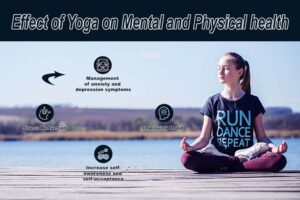
Exercise stimulates the release of endorphins, reduces stress hormones, improves sleep quality, and can help reduce symptoms of anxiety, depression, and chronic stress while enhancing overall well-being.

Yes. Regular physical activity can reduce the risk of heart disease, obesity, type 2 diabetes, high blood pressure, osteoporosis, and several other chronic health conditions.

Most adults benefit from exercising 3–5 days per week. A balanced routine that includes cardio, strength training, flexibility work, and recovery days supports long-term health and fitness goals.

ShereKhuda

Ready to Live Healthier?

Join the ShereKhuda Wellness Community

Get practical health tips, wellness insights, healthy recipes, and simple lifestyle advice delivered straight to your inbox. Join our community and take small steps toward a healthier, happier life.