Cancer awareness

Cancer is a group of diseases that occur when abnormal cells grow uncontrollably and invade nearby tissues or spread to distant organs. There are more than 100 different types of cancer, each affecting specific organs or tissues in the body. Common types include breast cancer, lung cancer, colorectal cancer, prostate cancer, blood cancer, and skin cancer. Learning about the symptoms, causes, risk factors, and available treatments for each cancer type can help with early detection and better health outcomes. This page provides a complete guide to the most common types of cancer, along with their key signs and treatment options.

FAQs

What is cancer?

Cancer is a group of diseases in which abnormal cells grow uncontrollably, invade nearby tissues, and may spread to other parts of the body. It can affect almost any organ or tissue and includes more than 100 different types such as breast cancer, lung cancer, and blood cancer. Early detection plays a key role in improving survival rates and treatment success.

The most common types of cancer include breast cancer, lung cancer, prostate cancer, colorectal cancer, skin cancer, and blood cancer (leukemia). Each type affects different parts of the body and may have unique symptoms, causes, and treatment options.

Early signs of cancer may include unexplained weight loss, persistent fatigue, unusual lumps, changes in skin, long-lasting pain, or abnormal bleeding. Symptoms vary depending on the type of cancer, and early medical evaluation is important for accurate diagnosis.

Cancer is caused by genetic mutations that lead to uncontrolled cell growth. Risk factors include smoking, unhealthy diet, obesity, alcohol use, radiation exposure, infections, and family history. In most cases, multiple factors combine to increase the risk of developing cancer.

Some cancers can be cured, especially when detected at an early stage. Treatment success depends on the type, stage, and overall health of the patient. Common treatments include surgery, chemotherapy, radiation therapy, immunotherapy, and targeted therapy.

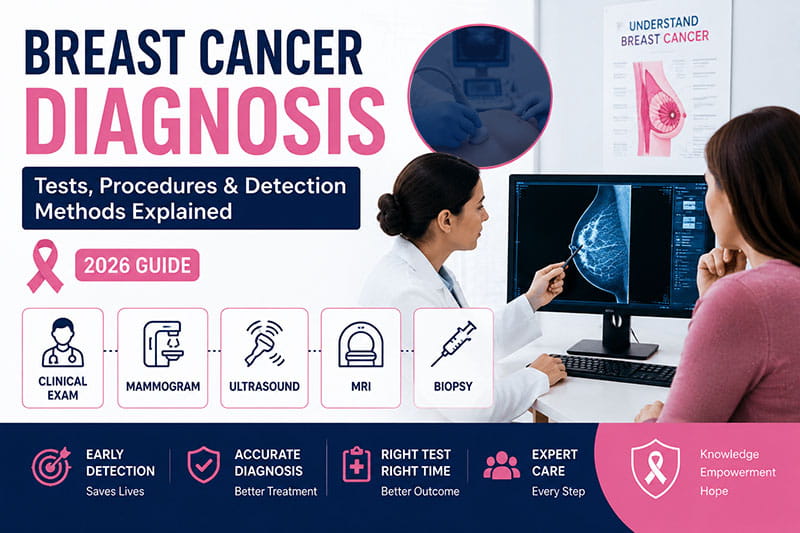
Cancer is diagnosed using medical tests such as biopsy, blood tests, imaging scans (CT, MRI, PET), and physical examinations. A biopsy is the most reliable method to confirm whether cells are cancerous.

Risk factors include genetic mutations, family history of cancer, smoking, alcohol consumption, poor diet, lack of physical activity, exposure to harmful chemicals, and certain viral infections. Having risk factors does not always mean a person will develop cancer.

Cancer risk can be reduced by maintaining a healthy lifestyle, avoiding smoking, limiting alcohol, eating a balanced diet, exercising regularly, and undergoing regular medical screenings. Vaccinations against certain infections can also help prevent some types of cancer.

Cancer is usually classified into stages 0 to 4 based on how much it has spread. Stage 0 is early and localized, while Stage 4 means the cancer has spread to other parts of the body. Staging helps doctors determine the best treatment plan.

Early detection of cancer significantly increases the chances of successful treatment and survival. When cancer is found at an early stage, it is often easier to treat and may require less aggressive therapy.