
Panic Attacks: Symptoms, Causes, Treatment & How to Regain Control
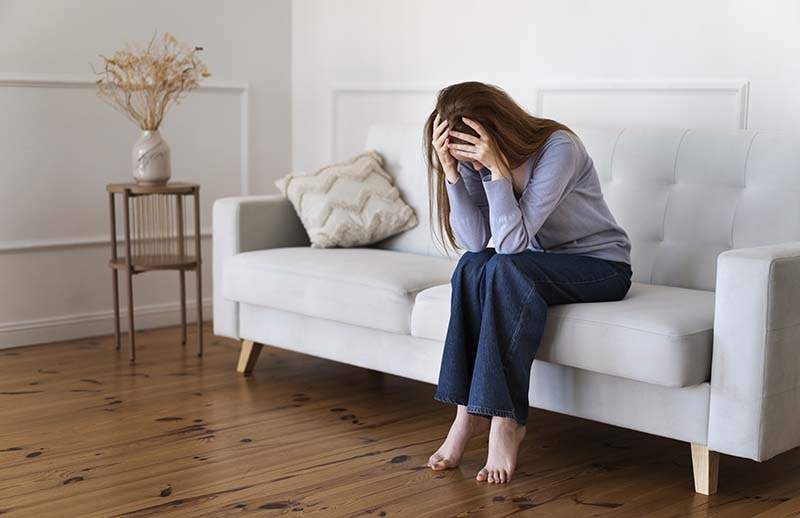
Experiencing a panic attack can be quite scary, disorienting, and, most of the time, they come without any warning. In fact, many people say that they are the most powerful encounters they’ve ever had. Having a panic attack may cause you to think that you are out of hand, suffering a heart attack, or dying.
The good news about panic attacks is that they can be treated. Knowing their symptoms, reasons, and ways of dealing with them will enable you to handle them better. Whether you have had a panic attack yourself or you are helping someone who has had it, understanding this illness is the first step toward healing.
What is a Panic Attack?
A panic attack consists of a sudden outburst of extreme fear or discomfort that leads to severe physical and emotional symptoms. These signs can come out of the blue and sometimes even when there is no real danger around.
Usually, a panic attack hits the highest intensity within 10 to 20 minutes, however, some symptoms may stay for a bit longer. Though panic attacks might be very frightening, in fact they generally do not cause death.
Panic Attack Quick Facts
- Sudden and intense fear or anxiety
- Symptoms often peak within 10–20 minutes
- Can occur without warning
- May feel similar to a heart attack
- Can happen during the day or while sleeping
- Treatable through therapy, medication, and lifestyle changes
Common Symptoms of Panic Attacks
Panic attacks do not only involve the body but also the mind. Symptoms might be different for everyone, but usually, people have a mixture of physical and emotional symptoms.
Physical Symptoms
- Rapid heartbeat or heart palpitations
- Sweating
- Trembling or shaking
- Shortness of breath
- Chest pain or discomfort
- Dizziness or lightheadedness
- Nausea or stomach upset
- Chills or hot flashes
- Tingling sensations in the hands or feet
Emotional Symptoms
- Intense fear or terror
- Fear of losing control
- Fear of dying
- A sense of impending doom
- Feeling detached from reality
Because these symptoms can mimic serious medical conditions, many people mistakenly believe they are experiencing a heart attack during their first panic attack.
What Causes Panic Attacks?
Panic attacks, in general, can occur without any one reason being identified. Still, according to the researchers, the main culprits are biological, psychological, and environmental factors working together.
Biological Factors
The reason why some people get panic attacks more often is probably because they are genetically predisposed to them. It is also possible that the neurotransmitters in the brain, as well as the physiological stress response system, have something to do with it.
Psychological Factors
If someone has a mental illness such as an anxiety disorder or experiences ongoing stress, trauma, or emotional difficulties without resolution, then these factors may increase their vulnerability to panic attacks.
Environmental Factors
Major life stressors, including bereavement, job stress, relationship conflicts, financial difficulties, and major life transitions, may contribute to the development of panic attacks or panic disorder.
Common Triggers for Panic Attacks
Causes refer to the underlying factors that increase the likelihood of panic attacks, while triggers are specific situations, thoughts, or physical sensations that can immediately set off an attack.
Some common triggers are:
- High stress levels
- Excessive caffeine consumption
- Lack of sleep
- Work-related pressure
- Relationship conflicts
- Major life transitions
- Certain medications
- Substance use or withdrawal
Identifying your personal panic attack triggers can help reduce the frequency of attacks and make it easier to manage symptoms when they occur. Since lack of sleep is a common trigger, improving sleep quality through natural sleep remedies and healthy bedtime habits may help support better mental and emotional well-being.
How Long Does a Panic Attack Last?
Most panic attacks reach their peak intensity within minutes and usually subside within 10 to 20 minutes. However, some people may continue to experience mild residual symptoms, such as fatigue, shakiness, or anxiety, for up to an hour after the main episode has passed.
Although panic attacks can feel overwhelming and may create a sense of losing control, they are temporary and not life-threatening. Understanding that panic attacks are time-limited can help reduce fear and make symptoms easier to manage when they occur.
Panic Attack vs Anxiety Attack
People often confuse panic attacks with anxiety symptoms, using the terms interchangeably. However, they are not the same. Understanding the difference between panic attacks and anxiety attacks can help you identify symptoms more accurately and seek the right support.
A panic attack is a sudden and intense surge of fear or discomfort that can cause symptoms such as a racing heart, shortness of breath, dizziness, and a feeling of losing control. In contrast, anxiety typically builds gradually in response to ongoing stress, fear, or worry and may persist for a longer period of time.
While both conditions can be distressing, panic attacks tend to appear abruptly and reach peak intensity within minutes, whereas anxiety usually develops more slowly and is often linked to a specific concern or stressful situation.
| Panic Attack | Anxiety Attack |
| Sudden onset | Gradual onset |
| Intense symptoms | Symptoms build slowly |
| Peaks within minutes | Can last longer |
| Often unexpected | Usually linked to stress |
Knowing the difference is worthwhile in case someone wants to find the right treatment and support.
Panic Attacks vs Panic Disorder
Although the terms panic attacks and panic disorder are often used interchangeably, they are not the same. A panic attack is a sudden episode of intense fear that causes physical and emotional symptoms such as a racing heart, shortness of breath, dizziness, and a feeling of losing control.
Panic disorder is a mental health condition characterized by recurrent and unexpected panic attacks, along with persistent worry about having future attacks. People with panic disorder may also begin avoiding certain places or situations because they fear another attack could occur.
While a person can experience a panic attack without having panic disorder, repeated panic attacks and ongoing fear of future episodes may indicate panic disorder and should be evaluated by a healthcare professional.
Can Panic Attacks Occur During Sleep?
Yes. Some people experience nocturnal panic attacks, which occur during sleep and can cause them to wake up suddenly with intense fear or panic.
Common symptoms of a panic attack during sleep may include:
- Rapid heartbeat or heart palpitations
- Excessive sweating
- Shortness of breath
- Chest tightness or discomfort
- Shaking or trembling
- Intense feelings of fear, panic, or impending doom
Nocturnal panic attacks can be distressing and may disrupt sleep quality. Over time, they can contribute to fatigue, sleep difficulties, and increased anxiety about going to sleep.
How to Stop a Panic Attack Quickly
Although it may not be possible to stop a panic attack immediately once it begins, certain coping techniques can help reduce the intensity of symptoms and regain a sense of control.
Focus on Your Breathing
One of the most effective ways to manage panic attack symptoms is through controlled breathing.
- Breathe in slowly through your nose for a count of four.
- Hold your breath for a count of four.
- Exhale gently through your mouth for a count of six.
- Repeat this breathing pattern until your symptoms begin to ease.
Slow breathing can help reduce hyperventilation, lower physical tension, and promote a feeling of calm during a panic attack.
Use Grounding Techniques
The 5-4-3-2-1 technique can help bring your attention back to the present moment.
Identify:
- 5 things you can see
- 4 things you can touch
- 3 things you can hear
- 2 things you can smell
- 1 thing you can taste
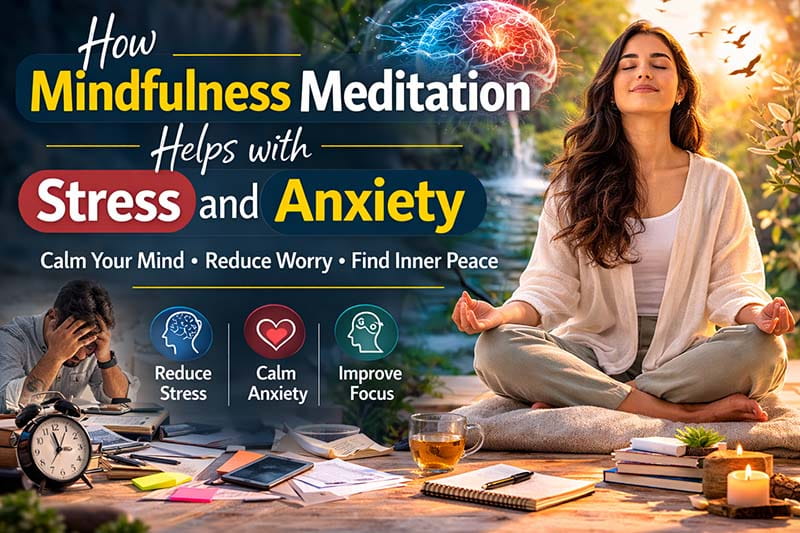
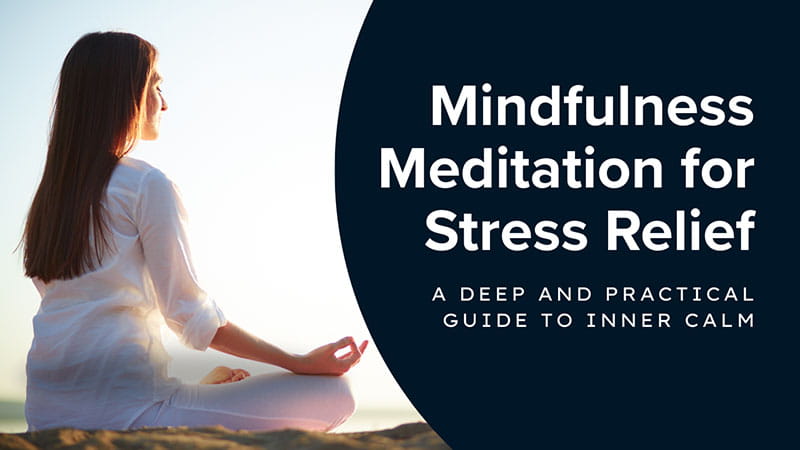
Grounding exercises and mindfulness practices can help calm racing thoughts and bring your attention back to the present moment. Learn more about how mindfulness meditation helps with stress and anxiety.
Remind Yourself That It Will Pass
Panic attacks don’t last forever. It helps to remind yourself that the symptoms will go away and that you are safe. This can decrease your level of worry and give you back a sense of control.
Regular mindfulness practice can support emotional well-being, reduce stress levels, and help individuals respond more calmly to anxious thoughts. Mindfulness meditation for stress and anxiety can be an effective long-term strategy for improving mental health.
Treatment Options for Panic Attacks
There are great ways to treat panic attacks, and many people see a big change with the right help.
Cognitive Behavioral Therapy (CBT)
CBT is usually the first line of treatment for panic attacks. This method helps a person to see and change faulty ways of thinking and to create new ways of dealing with problems.
Medication
Doctors may recommend drugs like:
- Selective Serotonin Reuptake Inhibitors (SSRIs)
- Serotonin-Norepinephrine Reuptake Inhibitors (SNRIs)
- Benzodiazepines (typically prescribed for short-term or occasional use)
Medications must be taken under the supervision of a doctor at all times.
Support Groups
Support groups can provide emotional encouragement, practical coping strategies, and a sense of connection with others who have experienced panic attacks or anxiety disorders. Sharing experiences with people facing similar challenges can reduce feelings of isolation and promote recovery.
Lifestyle Changes for Long-Term Management
Healthy lifestyle habits can play an important role in preventing panic attacks.
Helpful strategies include:
- Regular exercise
- Consistent sleep schedule
- Balanced nutrition
- Stress management techniques
- Meditation and mindfulness
- Limiting caffeine and alcohol intake
- Maintaining healthy daily routines
A balanced diet may also help support emotional well-being and anxiety management. Foods that reduce anxiety naturally can provide important nutrients that promote a calmer mind and better overall mental health. Certain vitamins and minerals also play an important role in supporting the nervous system, and the best vitamins for stress and anxiety may help improve mood and emotional resilience.
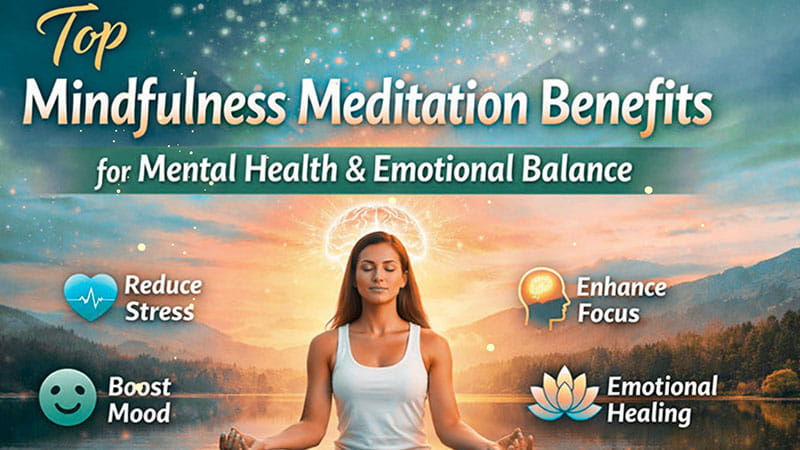
Among these habits, mindfulness meditation benefits for mental health include reduced stress, improved emotional resilience, and better overall well-being.
Can Panic Attacks Be Prevented?
While it may not always be possible to completely prevent panic attacks, certain healthy habits can help reduce their frequency and severity. Managing stress, getting enough sleep, exercising regularly, eating a balanced diet, and limiting caffeine and alcohol can all support better mental health.
Practicing relaxation techniques such as deep breathing, mindfulness meditation, and grounding exercises may also help lower the risk of panic attacks. If panic attacks occur frequently or begin affecting your daily life, seeking professional support can help you develop effective coping strategies and long-term prevention techniques.
When Should You Seek Professional Help?
Consider speaking with a healthcare professional if:
- Panic attacks occur frequently
- Symptoms interfere with daily activities
- You avoid situations because of fear
- Anxiety affects your relationships or work
- Symptoms become increasingly severe
A qualified mental health professional can provide a diagnosis and recommend the most effective treatment plan.
What are the first signs of a panic attack?
Early signs often include a racing heart, sweating, dizziness, chest tightness, shortness of breath, and a sudden feeling of fear.
Can stress cause panic attacks?
Yes. Stress is one of the most common triggers and can increase the likelihood of panic attacks in susceptible individuals.
Are panic attacks dangerous?
Panic attacks are usually not life-threatening, but their symptoms can feel extremely intense and may resemble other medical conditions.
Can panic attacks happen without warning?
Yes. Many panic attacks occur unexpectedly, even when there is no obvious trigger.
Can panic attacks occur during sleep?
Yes. These are known as nocturnal panic attacks and can wake a person suddenly from sleep.
What is the best treatment for panic attacks?
Treatment often includes Cognitive Behavioral Therapy (CBT), lifestyle modifications, stress management techniques, and medication when appropriate.
Wrapping Up
Experiencing a panic attack can be frightening, but it is important to remember that help is available. Understanding panic attack symptoms, causes, triggers, and treatment options can make a significant difference in managing this condition.
With the right support, healthy coping strategies, and professional guidance, many people successfully reduce the frequency of panic attacks and regain confidence in their daily lives.
- American Psychiatric Association : Diagnostic information on panic disorder and panic attacks.
- National Institute of Mental Health: Information on panic disorder, symptoms, and treatment.
- Mayo Clinic: Guidance on panic attack symptoms, causes, and management.
- Cleveland Clinic: Educational resources on panic attacks and anxiety disorders.


A panic attack is a sudden episode of intense fear that causes symptoms such as a rapid heartbeat, sweating, trembling, dizziness, and shortness of breath. Panic attacks often occur without warning, peak within minutes, and can feel overwhelming. Although frightening, they are usually not dangerous and can be effectively managed.
ShereKhuda
Ready to Live Healthier?
Join the ShereKhuda Wellness Community
Get practical health tips, wellness insights, healthy recipes, and simple lifestyle advice delivered straight to your inbox. Join our community and take small steps toward a healthier, happier life.