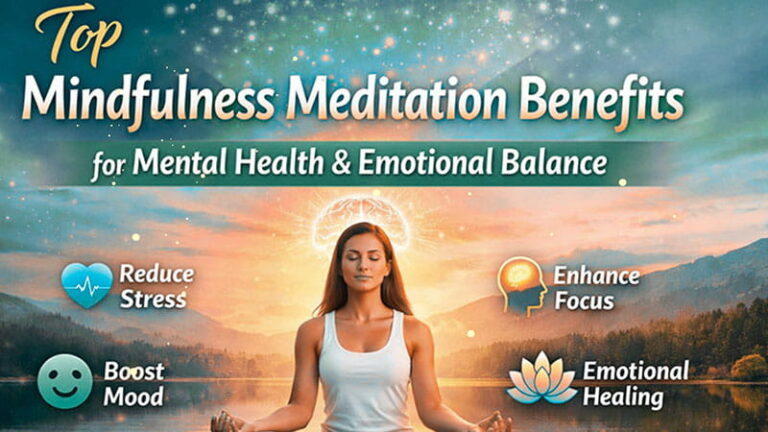
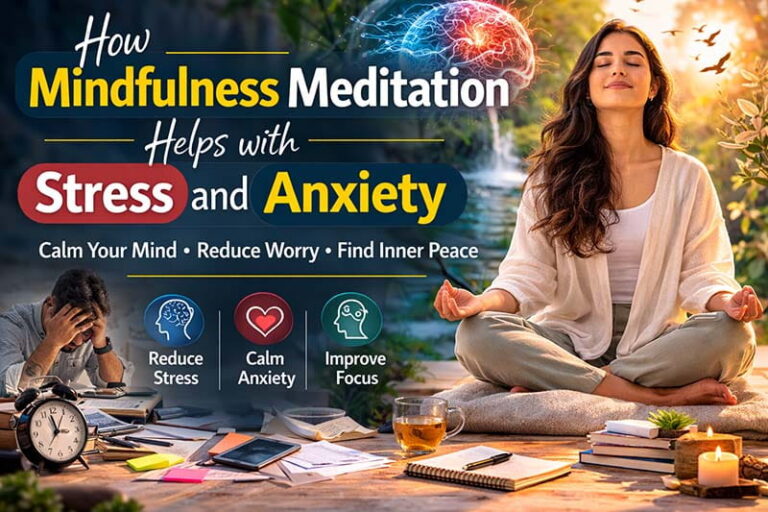
Mental health is a big deal these days. Lots of people are feeling stressed, anxious, and overwhelmed. They’re looking for ways to feel better without taking medication. One thing that really helps is mindfulness meditation. It’s not just about relaxing – it’s a way to train your mind to be more aware, balanced, and strong.
When you focus on the present moment, it changes how your brain deals with stress, emotions, and thoughts. Over time, this can make a big difference in your mental health. It’s really important to understand how mindfulness meditation can help with mental health. If you want to feel calmer, more focused, and more in control of your emotions, then mindfulness is worth checking out. By being more mindful, you can build a better life – one that’s more balanced and happy.
Mindfulness meditation is a powerful technique that can help you get there. So, what exactly is mindfulness meditation? It’s a way of paying attention to the present moment, without judgment. It’s about being aware of your thoughts, feelings, and sensations, without getting caught up in them. When you practice mindfulness, you start to see things more clearly. You begin to understand that your thoughts and feelings are just that – thoughts and feelings. They don’t define you.
By practicing mindfulness meditation, you can develop a greater sense of awareness and emotional balance. You’ll be better able to handle stress and difficult emotions. You’ll feel more grounded and centered, even in tough situations. And that’s a really powerful thing. So, if you’re looking for a way to improve your mental health and feel more in control of your life, then mindfulness meditation is definitely worth trying.
What Is Mindfulness Meditation and Why It Matters
Mindfulness meditation is all about being present in the moment, without letting your thoughts wander to the past or future. It’s a way of paying attention to your thoughts, feelings, and physical sensations, without getting caught up in them. By doing this, you can start to see things more clearly, and respond to situations in a more thoughtful way, rather than just reacting automatically.
When you’re mindful, you create a bit of space between your thoughts and your reactions. This can be really helpful when you’re feeling stressed or anxious, because it gives you a chance to think before you act.
Most mental health issues are made worse by overthinking and worrying, but mindfulness can help to calm all that down. It’s not about stopping your thoughts completely, but about learning to observe them and not get too caught up in them. As you keep practicing mindfulness meditation, it can start to change the way you experience life.
You might find that you’re more aware of your thoughts and feelings, and that you’re able to respond to situations in a more thoughtful way. You’ll be less reactive, and more calm, even when things get tough. It’s a simple idea, but it can have a big impact on your life. With regular practice, mindfulness can become a natural part of who you are and help you to live a more fulfilling and meaningful life.
How Mindfulness Meditation Improves Mental Health
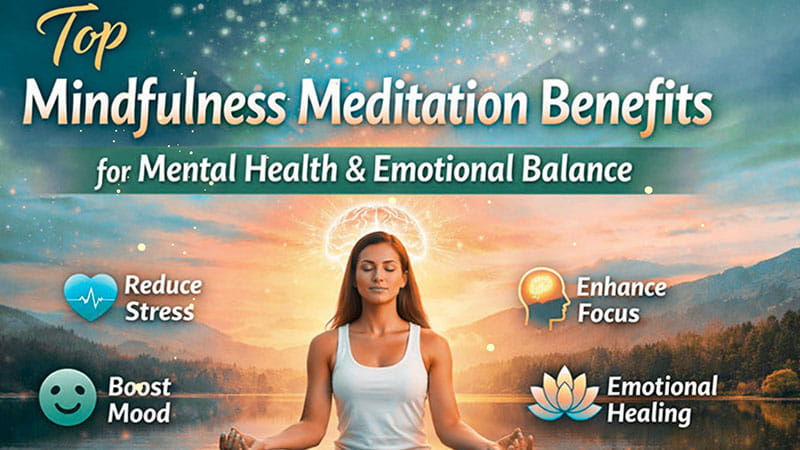
Mindfulness meditation has a big impact on our mental health. It affects both our brain and body. By practicing mindfulness, we can calm our nervous system, lower stress hormones, and make our brain stronger. This helps us control our emotions and make better decisions.
When we do mindfulness regularly, it changes how our brains work. It reduces activity in the brain region associated with fear and increases activity in regions that help us focus and stay aware. This helps us handle tough situations without feeling overwhelmed. Mindfulness also helps our mind and body work better together.
Many of us don’t realize how stress affects our bodies, such as tense muscles or rapid breathing. By being more mindful, we can notice these signs earlier and manage our emotions better. This way, we can take care of ourselves before things get out of hand.
These benefits are not temporary. Over time, they create long-lasting changes in how the mind processes thoughts and emotions.
Reduction of Stress and Emotional Overload
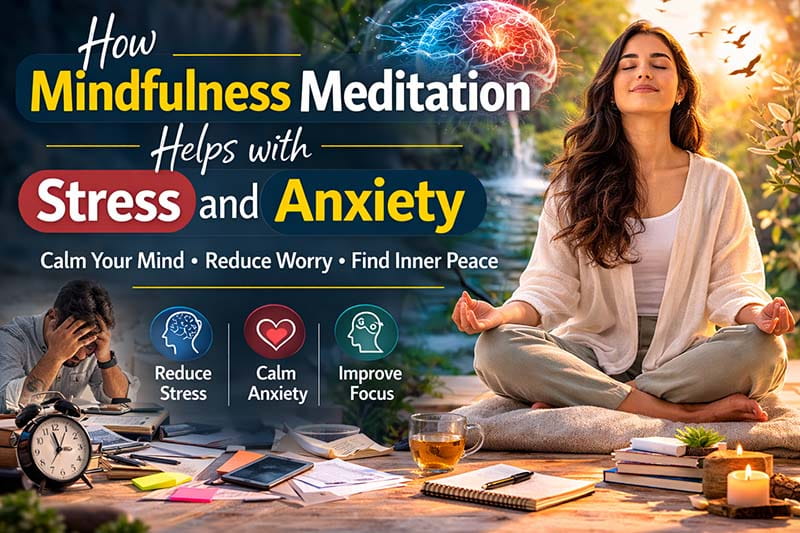
Stress is a major issue that affects us all. When we’re stressed, our minds are all over the place, jumping from one thought to another, and our bodies are tense. But mindfulness meditation can really help with that. By focusing on the present moment, it breaks the cycle of stress and anxiety.
As we meditate, our breathing slows down, and we become more aware of our thoughts and feelings. This triggers a natural response in our bodies that helps us relax. Our heart rate slows down, our blood pressure goes down, and we release all the physical tension we’ve been holding onto. But what’s even more important is that it changes how we think about stress. Instead of feeling like we’re drowning in it, we start to see it as something we can handle, something that’s temporary.
With regular mindfulness practice, we can reduce chronic stress and avoid burnout. We can achieve a more balanced state of mind, where we’re calm and in control. It’s not about eliminating stress, but about learning to manage it in a healthy way. By doing so, we can improve our overall well-being and live a happier, healthier life.
Managing Anxiety Through Mindfulness
Anxiety often arises from future-focused thinking and imagined scenarios. The mind creates “what if” situations that trigger emotional and physical reactions. Mindfulness meditation helps break this cycle by grounding attention in the present moment.
Rather than trying to eliminate anxious thoughts, mindfulness teaches individuals to observe them without judgment. This reduces their intensity and prevents them from escalating into anxiety spirals.
Mindfulness Helps Anxiety By:
Reducing overthinking and repetitive thought patterns
Increasing awareness of anxious triggers
Improving tolerance for uncomfortable emotions
Encouraging calm, non-reactive responses
With regular practice, anxietybecomes less overwhelming, and individuals develop a stronger sense of control over their mental state.
Enhancing Emotional Regulation and Stability
Being able to control your emotions is a big part of being happy and healthy. Lots of people struggle with their emotions, and this can cause problems with their mental health. Sometimes, people react too quickly or strongly to things that upset them, and this can make things worse.
One way to get better at controlling your emotions is to practice mindfulness meditation. This helps you become more aware of your feelings, so when you start to feel upset, you can stop and think before you react. Instead of doing something impulsive, you can take a moment to think about what you really want to do.
As you get better at this, you’ll start to feel more stable and calm, even when things get tough. You won’t get upset as easily, and you’ll be able to handle difficult situations without getting overwhelmed. This can make a big difference in your life and help you feel more grounded and in control.
Improving Focus, Clarity, and Cognitive Function
Now more than ever, being able to focus is really important. With so many things competing for our attention, it’s getting harder to concentrate.
Mindfulness meditation can help with this. It teaches our brain to stay in the moment. Every time our mind wanders, and we bring it back to our breath or body, our brain gets better at focusing. This means we can concentrate better, remember things more easily, and make better decisions.
Mindfulness also helps clear out mental clutter. When our mind isn’t overwhelmed by thoughts all the time, it can think more clearly and work more efficiently. This clarity helps us get more done and improves our overall mental performance. It’s like a weight has been lifted off our minds.
Supporting Better Sleep and Relaxation
Sleep problems often come from stressand thinking too much. When our mind is still active at night, it’s hard to relax and fall asleep. Mindfulness meditation can help with this by calming our nervous system and reducing mental activity.
By focusing on our breath and the present moment, mindfulness slows down our thoughts and gets our body ready for rest. Over time, this improves the quality and duration of our sleep. Getting better sleep has a big impact on our mental health. It creates a positive cycle of relaxation, recovery, and emotional balance.
When we sleep well, we feel more balanced and better able to handle life’s challenges. This, in turn, helps us sleep even better, and so on. It’s a good cycle to be in.
Building Long-Term Mental Resilience
Mindfulness meditation has a lot to offer when it comes to dealing with life’s challenges. We all face tough times, uncertainty, and stress – it’s just part of life. But mindfulness isn’t about making these problems disappear, it’s about changing how we react to them. When we practice mindfulness regularly, we start to feel more stable inside. We’re not as easily thrown off by things that happen outside of us, and we’re better at handling tough situations with a clear head.
This inner strength is a big deal for our mental health in the long run, and it helps us feel more confident and emotionally strong as we navigate life.
How to Start Experiencing These Benefits
It’s actually pretty simple. We don’t need any special equipment or a specific place to do it. The most important thing is to be consistent – it’s better to practice a little bit every day than to try to do it perfectly once in a while.
To begin, just take a few minutes each day to focus on your breath. Pay attention to how it feels, and when your mind starts to wander (which it probably will!), gently bring it back to your breath. Over time, this simple practice can make a big difference in how aware we are of our thoughts and feelings, and how balanced we feel emotionally.
As we keep practicing, we can try out different techniques like scanning our body for sensations, taking mindful walks, or following guided meditations. The goal isn’t to achieve some kind of perfect state, but to become more aware of the present moment and to cultivate a sense of presence in our daily lives.
Wrapping up
Mindfulness meditation is really good for our mental health. It helps us feel less stressed and anxious, and it makes us better at dealing with our emotions. This practice is simple, but it’s very powerful – it changes how our mind works and how we think about things.
We live in a world that’s always busy and noisy, and it’s easy to get distracted. But mindfulness helps us focus on what’s happening right now, and that makes us feel more calm and clearer-headed. If we keep practicing mindfulness, we can build a stronger and more resilient mind.
The best part is, we can start with just one breath. As we keep practicing, we’ll start to notice big changes in our mental and emotional health. It’s a journey that can really transform our lives.