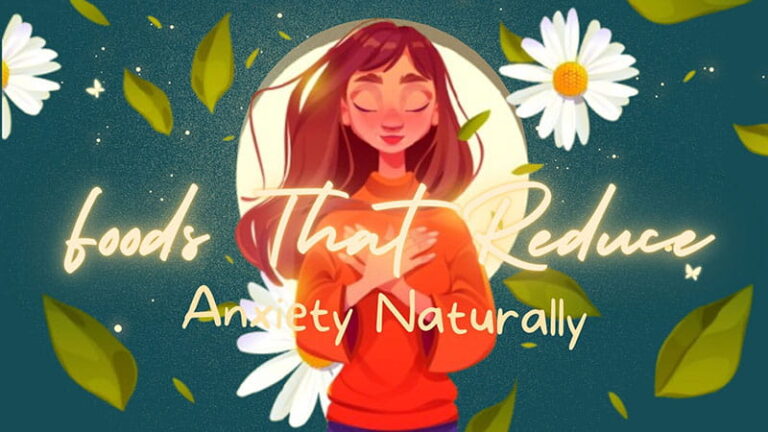
Foods That Reduce Anxiety Naturally: Science-Backed Nutrition for a Calmer Mind
Foods that reduce anxiety naturally include omega-3–rich fish, leafy green vegetables, fermented foods, whole grains, nuts, seeds, fruits, and protein-rich foods that support brain chemistry and gut health. These foods help calm the nervous system by lowering cortisol, reducing inflammation, stabilizing blood sugar levels, and supporting key neurotransmitters like serotonin, dopamine, and GABA. Because anxiety is closely linked to nutrition, gut balance, and hormonal regulation, eating nutrient-dense, whole foods consistently can improve emotional stability, stress resilience, and overall mental well-being over time. While food alone is not a medical treatment, a balanced diet plays a foundational role in managing anxiety naturally and safely.
Anxiety has become a significant global issue impacting the mental health of everyone, irrespective of their age and lifestyle. As effective treatments, people are using therapy, lifestyle changes, and medication, but nutrition has a surprisingly influential role in controlling anxiety naturally. Your diet impacts your brain chemistry, hormones, gut health, and nervous system, all of which determine how anxious or relaxed you feel.
This is a comprehensive guide to foods that can help you naturally reduce anxiety, describing their functioning in the body, what the scientific research says about them, and how to integrate them into your everyday life. It is not a quick-fix type of guidance – it is an in-depth, holistic, evidence-based resource aimed at helping readers get a thorough understanding of the topic.
How Food Affects Anxiety and the Brain
Anxiety is still a huge biological issue anyway. In fact, brain chemicals that regulate mood stability and stress response include serotonin, dopamine, and GABA. These chemicals depend a lot on nutrients like magnesium, vitamins B, omega-3 fatty acids, amino acids, and antioxidants.
What is more, the gut-brain connection is a big deal. It is common knowledge that about 90% of serotonin are made in the gut rather than the brain. Therefore, if your gut is unhealthy, it could lead to inflammation, and your hormones could get out of balance, thus getting worse anxiety symptoms. You can fix your gut by having a proper diet, and the outcome will be less inflammation and stabilization of your nervous system without taking any medications.
Fatty Fish and Omega-3s: Natural Mood Stabilizers
Fatty fish like salmon, sardines, mackerel, and tuna are top anti-anxiety foods. They carry a big load of omega-3 fatty acids, especially EPA and DHA, that work to maintain brain cell membranes and fight neuroinflammation.
There is evidence that anxiety disorders can be the result of constant brain inflammation. Omega-3s not only lower the body’s inflammation markers but also increase serotonin secretion, which leads to better control of emotions and higher resistance to stress. Several clinical studies have shown that people who regularly eat fatty fish have less anxiety and more mood stability.
Leafy Green Vegetables and Magnesium Balance
Spinach, kale, Swiss chard, and other leafy greens are good sources of magnesium — a mineral that plays a huge role in relaxing the nervous system. Magnesium, among other things, controls cortisol secretion, which is the stress hormone produced in the body, and it also facilitates nerve signaling.
People with severe anxiety are frequently found to have low magnesium levels. A lack of magnesium in the body results in it remaining in a heightened “fight or flight” state. Eating leafy greens daily restores the balance of the body very slowly, relieves muscle tension, and makes sleep better. All of these contribute to alleviating anxiety naturally.
Fermented Foods and Gut-Brain Health
Fermented foods such as yogurt, kefir, kimchi, sauerkraut, and miso contain probiotics that nourish the good bacteria in our guts. These helpful microbes are essential in the production of neurotransmitters and the control of inflammation.
Serotonin production gets enhanced, and the gut lining becomes strong as a result of a balanced gut microbiome. On the other hand, if your gut is unhealthy, it can set off immune responses that will lead to the worsening of anxiety symptoms. Therefore, fermented foods are your natural probiotics as they improve digestion and gradually lead to emotional stability.
Nuts and Seeds: Natural Anti-Stress Nutrients
Almonds, walnuts, pumpkin seeds, chia seeds, and flaxseeds are a great source of magnesium, zinc, omega-3 fatty acids, and antioxidants. The nutrients provided by these foods synergize to improve brain function and manage stress.
Studies have shown that a lack of zinc in the body can worsen anxiety and depression symptoms. Omega-3 fatty acids act as an anti-inflammatory agents, and magnesium, on the other hand, calms the nervous system. The consistent consumption of nuts and seeds is beneficial in the maintenance of mental sharpness, concentration, and emotional stability over time.
Complex Carbohydrates and Serotonin Support
Whole grains like oats, brown rice, quinoa, and whole-grain bread are beneficial in controlling blood sugar levels, and at the same time, they make more serotonin available in the brain. It is very important to have a stable blood sugar level when managing anxiety because a sudden drop can cause irritability, nervousness, and panic symptoms.
Complex carbs take their time to be broken down, so they don’t cause quick highs and lows in your blood sugar level, which can put your nervous system under stress.
Also, they help tryptophan, an amino acid required for the production of serotonin, pass through the blood-brain barrier more efficiently.
Dark Chocolate and Stress Reduction
Flavonoids, magnesium, and antioxidants that work together to improve brain chemistry are found in good quality dark chocolate (70% cocoa or even higher).
One of the beneficial impacts of dark chocolate is the lowering of one’s stress hormone – cortisol and increasing blood flow to the brain. Thus, one feels happier and more relaxed.
The thing is that sugary treats increase anxiety and therefore become one of the causes of panic attacks. On the other hand, eating dark chocolate in a moderate amount is a good and a healthy stress reliever. Besides, it induces the release of endorphins which results in a feeling of comfort and inner happiness.
Herbal Teas and Calming Compounds
Chamomile, green tea, peppermint, and lemon balm teas all have natural substances that can give one a feeling of relaxation. Studies suggest that the consumption of chamomile reduces the symptoms of generalized anxiety, while green tea has an amino acid called L-theanine which helps to maintain a calm state of alertness.
The consumption of these teas is a great way to activate the parasympathetic nervous system, which facilitates the process of the body leaving stress mode. Having herbal tea on a regular basis can be a very easy and at the same time effective way of controlling anxiety naturally.
Fruits Rich in Antioxidants and Vitamin C
Berries, oranges, kiwis, and bananas are rich in antioxidants and vitamin C. These nutrients help reduce cortisol levels and protect the brain from oxidative stress. It has been found that oxidative stress contributes to the development of anxiety and mood disorders.
Bananas are very effective in providing relief as they are rich in potassium and vitamin B6. These nutrients contribute to the production of neurotransmitters and help the muscles to relax. In addition, fresh fruits also give the body water, which is another factor that is often ignored in the management of anxiety.
Protein-Rich Foods and Neurotransmitter Production
Eggs, legumes, lean poultry, tofu, and dairy provide amino acids essential for neurotransmitter synthesis. Proteins supply tryptophan, tyrosine, and glutamine — building blocks for serotonin, dopamine, and GABA.
Without sufficient protein intake, the brain struggles to maintain chemical balance, leading to emotional instability. Including protein in every meal helps maintain consistent energy levels and reduces anxiety spikes throughout the day.
Foods to Limit When Managing Anxiety
While focusing on calming foods is essential, it’s equally important to reduce anxiety-triggering foods. Excess caffeine can overstimulate the nervous system, causing jitteriness and panic symptoms. Refined sugar creates rapid blood sugar swings that worsen mood instability.
Highly processed foods, artificial additives, and excessive alcohol can disrupt gut health and neurotransmitter balance, making anxiety symptoms harder to manage over time.
Eating for Calm, Not Perfection
Managing anxiety naturally through food is not about perfection or strict dieting. It’s about consistent nourishment, gut health support, and providing the brain with the nutrients it needs to function calmly and efficiently.
By prioritizing whole, nutrient-dense foods and reducing inflammatory triggers, many people experience noticeable improvements in anxiety levels, sleep quality, and emotional resilience. Food alone is not a cure, but it is one of the most powerful foundational tools for long-term mental wellness.