





Exercise Tips for Breast Cancer Survivors
Surviving Breast Cancer is a major milestone — and staying fit with exercise is a vital part of a good life, lowering the chances of cancer coming back, and making life better. Exercise means a lot to breast cancer survivors; hence, they should carefully plan and carry out their workout. This in-depth guide covers why exercise is important, what exercises are safe and effective, how to create a plan and get over the common obstacles, and also what to take into consideration.
If you have finished treatment and are reading this, or if you are in treatment but have been given clearance, then this article is for you. As always, please consult your oncologist and physical therapist before embarking on any new exercise regimen.
Why Exercise Matters for Breast Cancer Survivors
1. Improves survival and reduces recurrence risk
Research indicates that patients who are more physically active after their diagnosis tend to have a lower risk of cancer returning and dying. In particular, the study revealed that women following the exercise recommendations before the diagnosis and 2 years after had their risk of recurrence reduced by 55% and their risk of death from any cause by 68%, compared to those who did not.
2. Helps mitigate treatment side-effects
Survivors often face side-effects including fatigue, reduced muscle strength, joint pain (especially if on aromatase inhibitors), cardiovascular effects, and upper body mobility issues. Exercise interventions have shown benefits:
- Reduced cancer-related fatigue (CRF) when done at least 3 times/week for 30–60 minutes.
- Improved muscle strength with resistance training.
- Improved cardiovascular health and reduced risk of heart-disease, which is especially relevant because some breast-cancer treatments increase cardiovascular risk.
3. Enhances quality of life & physical functioning
Regular activity supports better mood, sleep, cognitive function, and body composition (lean mass vs fat).
4. Counters sedentary behaviour
Many survivors become less active during and after treatment: one review noted ~85% of breast cancer survivors were less active than recommended. This makes adopting an exercise habit even more important.
How Much & What Type of Exercise?
Weekly activity guidelines
- The American Cancer Society recommends for cancer survivors: 150 minutes/week of moderate-intensity aerobic activity, or 75 minutes/week of vigorous intensity, or a combination.
- Resistance (strength) training at least 2 days/week is also encouraged for survivors.
- An evidence review concluded: moderate intensity aerobic training (e.g., walking) 3–4 times/week for 30–40 minutes/session over 12 weeks produces benefit.
Types of exercise to include
- Aerobic/Cardio: walking, cycling, swimming, treadmill. Good for cardiovascular health, fatigue reduction, recurrence risk.
- Resistance/Strength Training: can be done with bodyweight, free weights, machines, or resistance bands. It is very important for muscle strength, bone health (even if changes in bone density are very minor), and functional ability.
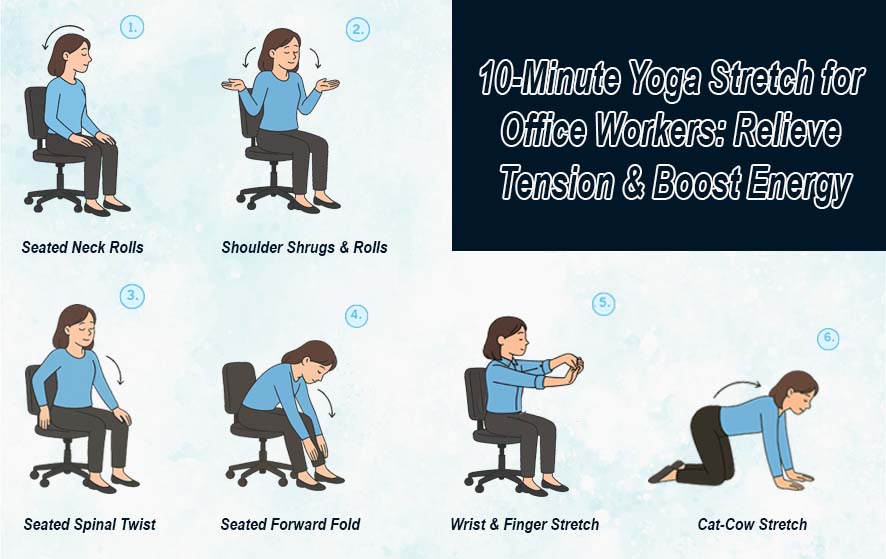
- Flexibility & Mobility: through Stretching, yoga, Pilates, shoulder/arm mobility, etc. (mostly after surgery/radiation). Helps to get back the range of motion and reduce upper-body morbidity.
- Balance & Functional Training: Mostly when you are getting older or have neuropathy/other treatment-related issues.
- Gradual progression & variation: It is good to start slower, increase the intensity gradually, and change different modes to avoid getting bored.
Building Your Personalized Exercise Plan
Here’s a step-by-step framework you can adapt.
Step 1: Get medical clearance & identify contraindications
If you are going to start after surgery, you definitely have to check with your oncologist, surgeon, or physical therapist first. Besides that, if you happen to have any of the conditions mentioned below, you should definitely:
- After breast removal (mastectomy, lumpectomy) or lymph nodes, have a follow-up
- Area of the chest and underarm receiving radiation therapy
- At lymphedema risk or be already having a lymphedema condition
- Have cardiac problems or be on a cardiotoxic medication
- Bone metastases or osteoporosis
Step 2: Set realistic goals and schedule
Everybody needs to start from somewhere: as an illustration, if you are very out of shape, then 10-15 minutes of walking a day would be a good starting point.
You should slowly increase each session up to 30-40 minutes for 3-5 days a week.
Besides this, you may work out with weights 2 days per week at a light intensity (1-2 sets of 8-12 reps) and spend 1-2 days on flexibility/mobility.
Example weekly plan:
- Mon: 30 minutes fast walking
- Tue: Upper body resistance + shoulder mobility
- Wed: Rest or gentle yoga/stretch
- Thu: 30 minutes of cycling/swimming
- Fri: Lower body strength + balance work
- Sat: Longer walk/hike + stretching
- Sun: Rest or active recovery
Step 3: Monitor intensity & progression
- For instance, moderate intensity might be explained as doing an activity while talking, but not singing.
- You should always gradually decide whether to change the duration (e.g., +5 min every week), or the intensity (faster pace, climb the hill), or both.
- For example, if the last 2-3 repetitions of your strength training are just slightly difficult, then you are at the right level.
- Keep track of how you feel. Post-exercise soreness is okay; sharp pain, swelling, or undue fatigue are signals to ease back.
Step 4: Consider specific adjustments for breast-cancer-related issues
- Post-surgery/radiation shoulder/arm mobility: Gradually reintroduce arm movements; avoid heavy overhead lifting until cleared.
- Lymphedema risk: If a doctor advises you to wear compression garments, then do it. Do not suddenly and heavily load the affected arm without guidance and be attentive to swelling, numbness, and other symptoms.
- Fatigue: Break exercise into shorter bouts (e.g., 10–15 minutes) if longer sessions are too tiring. Research showed that 30–60 min three times/week improved fatigue.
- Bone health/osteoporosis: Emphasize weight-bearing and strength training to maintain bone mass. While some studies didn’t show dramatic BMD changes, there are still trends pointing to benefits.
- Cardiovascular risk: Aerobic exercise is, therefore, very beneficial as some treatments increase the risk of heart diseases.
Step 5: Stay consistent & adapt
- Don’t let exercise be something that you only think of. It shouldn’t be just something that you do once in a while. Make a schedule for it as if it were an appointment.
- If you only pick the activities that you really like (such as walking outdoors, dancing, swimming, and group classes), then you will have enough energy to go on with them.
- If you want cancer-exercise specialist or a certified trainer can help you with a personalized program.
- Monitor for changes: energy levels, strength, mood, sleep, shoulder/arm mobility. Alter your training if it is needed.
- Keep a log:the activities you did, how you felt, any pain, or swelling. It is very useful in pinpointing the issues at a very early stage.
Common Barriers & How to Overcome Them
| Barrier | Solution |
| Fatigue and low energy | Start with very short sessions (5-10 min) and gradually increase. Break up throughout day. Prioritize rest, nutrition, sleep. |
| Pain or stiffness (shoulder/arm) | Begin with gentle mobility/stretching. Avoid pushing into pain. Work with a physical therapist familiar with breast-cancer recovery. |
| Fear of injury or recurrence | Get medical clearance, use certified professionals, start slow, track symptoms. |
| Lymphedema concerns | Apply recommended precautions, monitor arm/hand swelling, progress gradually, consider compression if advised. |
| Lack of motivation | Find a buddy or support group of fellow survivors, vary your workouts, set small wins and celebrate them. |
| Busy life/family/work demands | Use short bouts of activity, integrate walking into daily tasks (stairs, parking further, etc.). |
Summary & Key Takeaways
- Exercise should be considered a necessity; breast cancer survivors must, without a doubt, treat it as a requirement after their treatment: it is the main factor for survival improvement, side-effects reduction, quality of life elevation, and physical function maintenance.
- It is also part of a good plan to include aerobic exercises, resistance training, and mobility/flexibility work.
- If you just start at your current level, gradually work your way up, and make sure your exercise programme is sustainable and enjoyable, you will definitely get results.
- Your body is always sending you signals, so listen to it, make your changes accordingly, get professional advice if you are unsure, and continue with your routine.
- The exercise habit will eventually give strength, mobility, mental well-being, and good health as its dividends over time.