Breast cancer is still one of the leading types of cancer all over the globe. The World Health Organization (WHO) figures indicate that the number of new cases each year exceeds 2.3 million, and breast cancer continues to be the leading cause of cancer-related death among females. As a result of research, a lot of progress has been made in the diagnosis of the illness at an early stage and treatment effectiveness, however, the question that numerous women keep asking is:
“Is it possible to lower the risk of breast cancer by making lifestyle changes?” The response is very positive. Even though heredity and age are unchangeable risk factors, a study reveals that 30–40% of cancers could be avoided if people changed their lifestyle and behavior. Hence, your everyday habits – diet, physical activity, sleep quality, alcohol intake, and stress level – could be very instrumental in decreasing your risk.
Through this extensive breast cancer prevention guide, we will examine the power of basic and regular lifestyle decisions not only for the reduction of breast cancer risk but also for the improvement of your general health and energization.
1. Understanding Breast Cancer and Its Risk Factors
What Is Breast Cancer?
Breast cancer is a disease in which cells in breast tissue multiply rapidly and uncontrollably, and most of the time these cells come together to form a tumor. Tumors can be either benign (non-cancerous) or malignant. Malignant tumors are capable of both invading the surrounding tissue and/or traveling (metastasizing) to other areas of the body.
Breast cancer is not just one condition; it has different subtypes, namely, hormone receptor-positive (ER+/PR+), HER2-positive, and triple-negative breast cancer (TNBC). Each type is differently responsive to various treatments; however, most of the risk factors that are related to lifestyle are common to all types.
Many breast cancer risk factors are outside our sphere of influence, nevertheless, some are connected to our lifestyle and can be changed.
● Uncontrollable Risk Factors
Age (the disease is most common in women over 50).
Family history and inherited genetic mutations (BRCA1, BRCA2).
Having your first period at a very young age or going through menopause very late.
History of breast cancer in the past
● Lifestyle-Related Risk Factors
Poor eating habits and lack of exercise.
Excessive body weight, especially after menopause.
The use of alcohol and smoking.
Long-lasting stress and bad sleep routines.
Polluting the environment (chemicals, pesticides, BPA).
Despite the fact that genetics and age are out of your control, you have the power to influence the outcome by making the right daily decisions.
2. The Role of Lifestyle in Breast Cancer Prevention
Lifestyle medicine is becoming more and more acknowledged as a highly effective instrument for the prevention of cancer. The American Cancer Society points to the fact that keeping a healthy weight, taking regular exercise, consuming healthy foods, and controlling the intake of alcohol are the four most important ways that can lead to a significant risk reduction of cancer.
A major research project published in Cancer Epidemiology, Biomarkers & Prevention reported that women who followed four or more healthy lifestyle habits, including non-smoking, regular exercise, maintaining a healthy BMI, and eating a balanced diet, had a 42% reduced risk of breast cancer compared with those who didn’t.
Such proof leaves no doubt that a person’s lifestyle changes, though not necessarily providing total prevention, are the most effective means of reducing the risk of developing the disease and enhancing the quality of life.
3. Diet and Nutrition: Eating Your Way to Lower Risk
● Foods That Help
Your food significantly impacts your hormones, inflammation, and body weight, which are the main factors of breast cancer risk.
Fruits and Vegetables: Loaded with antioxidants and phytochemicals, they are an important part of the diet to reduce the oxidative stress that leads to damage to the cells. Sulforaphane is a compound present in cruciferous vegetables (broccoli, kale, Brussels sprouts), which can be the reason for their anti-cancer nature.
Whole Grains: With the presence of fiber, whole grains regulate insulin and estrogen levels, thus lowering the chance of cancer-promoting conditions.
Omega-3 Fatty Acids: The omega-3s present in salmon, mackerel, chia seeds, and flaxseeds are sources of anti-inflammatory properties.
Soy Products (in moderation): The isoflavones found in soy can perform the function of estrogen, but they are quite safe as dietary amounts are considered and may cause the lowering of the postmenopausal risk.
Green Tea: It houses catechins, very strong antioxidants that are associated with reduced breast cancer risk.
● Foods to Limit
Processed Meats & Red Meat: These are typically loaded with saturated fats and carcinogenic compounds (due to the processing and cooking at high temperatures).
Sugar & Refined Carbohydrates: The quick rise in blood sugar and insulin levels caused by these foods can provide conditions favorable for cancer cells to grow.
Alcohol: The risk is raised by even minimal amounts of alcohol, as alcohol is a source of estrogen and is also a DNA-damaging agent.
4. Weight Management and Obesity
Overabundant fat tissue is not merely storage – it creates estrogen and inflammation-promoting agents that raise breast cancer risk, particularly after menopause.
The research confirms that women who become considerably overweight during their adult life are more likely to get breast cancer than those who keep their weight stable and at a healthy level.
Actionable Tips
Monitor the amount of food you eat and do not overeat as a habit.
Coordinate the number of calories you take in with the amount of physical exercise.
Concentrate on foods that are rich in nutrients rather than on calorie-rich processed foods.
5. Physical Activity and Exercise
● Why Exercise Matters
Decreases levels of estrogen and insulin in the blood.
Helps the immune system to function better.
The benefits of exercise include a better mood and lower stress hormones.
● Recommendations
Aerobic exercises of moderate intensity for 150 minutes per week (walking, swimming, cycling).
Vigorous exercises for 75 minutes (running, HIIT).
Strength training exercises for muscle and bone twice a week.
Movements that can be done daily, such as gardening, walking your pets, or dancing.
6. Alcohol Consumption and Smoking
Alcohol: The main modifiable risk factor. Women who consume 2–3 alcoholic beverages daily have approximately a 20% higher risk than those who do not drink.
Smoking: A cause of breast cancer along with lung cancer (particularly in premenopausal women).
Lifestyle Change: Quit smoking altogether and reduce alcohol consumption to a minimum, preferably not more than 1 drink per week.
7. Sleep, Stress, and Mental Health
Sleep manages immune functions as well as hormones. Breathing disorders and unsteady routines might cause breast cancer by breaking down melatonin production.
Tips for better sleep:
Try to get at least 7-9 hours of sleep every night.
Keep a sleep and wake schedule that is consistent.
Do not expose yourself to blue light just before you go to bed.
● Managing Stress
Chronic stress elevates cortisol, lowers the body’s defenses, and can unavoidably lead to cancer.
Stress management tools:
The practice of meditation and mindfulness.
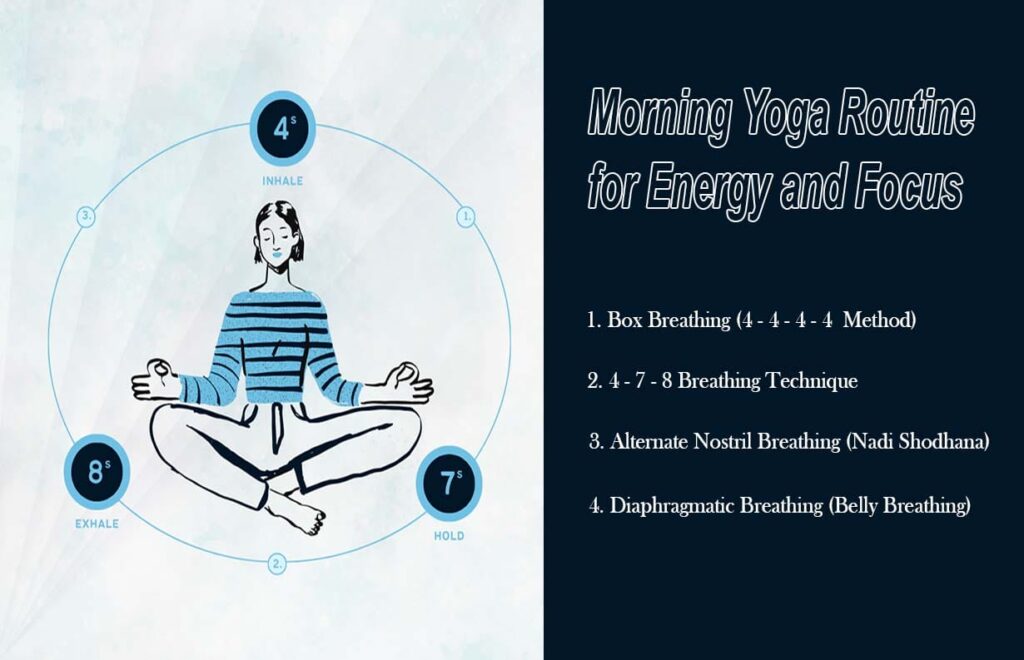
Controlled breathing exercises.
Professional therapy, writing in a journal
8. Environmental and Chemical Exposure
The endocrine disruptors are those chemicals that we find in our daily lives, which interfere with the hormones that regulate breast tissue growth.
Plastics & BPA: These are chemicals that are in food containers. Why not use glass or stainless steel that are free of harmful chemicals?
Pesticides: If you cannot afford organic, at least wash your fruits and vegetables well before consuming them.
Beauty & Hygiene Products: Go for the products made without parabens and that are nature-friendly.
9. Breastfeeding and Reproductive Choices
There is however, no doubt that breastfeeding, for a total time of at least 12 months, reduces a woman’s risk of developing breast cancer as it is a way to limit the lifetime estrogen exposure by two mechanisms – by delaying the return of menstrual cycles and by reducing lifetime estrogen exposure.
10. Routine Screening and Early Detection
Lifestyle adjustments lower the chances of getting the disease; however, screening is still the most important thing.
Mammograms: Generally advised from 40 to 45 years of age (before for women at risk).
Physical Breast Exams & Individually Checking: Enable women to become aware of abnormal changes at an early stage.
Gene Examination: For females having very close family histories.
11. Myths vs. Facts About Lifestyle and Breast Cancer
Myth: “Breast cancer would never happen to me if I ate only healthy food.”
Fact: Good health habits lower the chances, but don’t eliminate the risk of the disease.
Myth: “Only the women who have a history of breast cancer in their family are the ones who can get the disease.”
Fact: Nearly 70% of breast cancer cases occur in women whose family history of the disease is negative.
Myth: “Only weight loss can benefit from exercise.”
Fact: Besides that, exercise also helps hormone regulation and immune system strengthening.
12. Practical Tips for Everyday Prevention
For a healthy start, make a smoothie loaded with berries and greens.
Instead of drinking soda or alcohol, have herbal teas.
Take the stairs to get some exercise rather than taking the elevator.
Prepare healthy lunches in advance to ensure that you won’t resort to fast food.
Either write down things you are grateful for or keep a diary to vent your stress.
Make a thorough health examination a habit by scheduling your visits