Stress has been a major source of mental health disorders, bad sleep, and even an increased risk of various diseases in recent years. While the merits of exercise, mindfulness, and sleep in the management of stress cannot be doubted, nutrition is still a very powerful and mostly unrecognized factor in the control of stress hormones and relaxation of the nervous system.
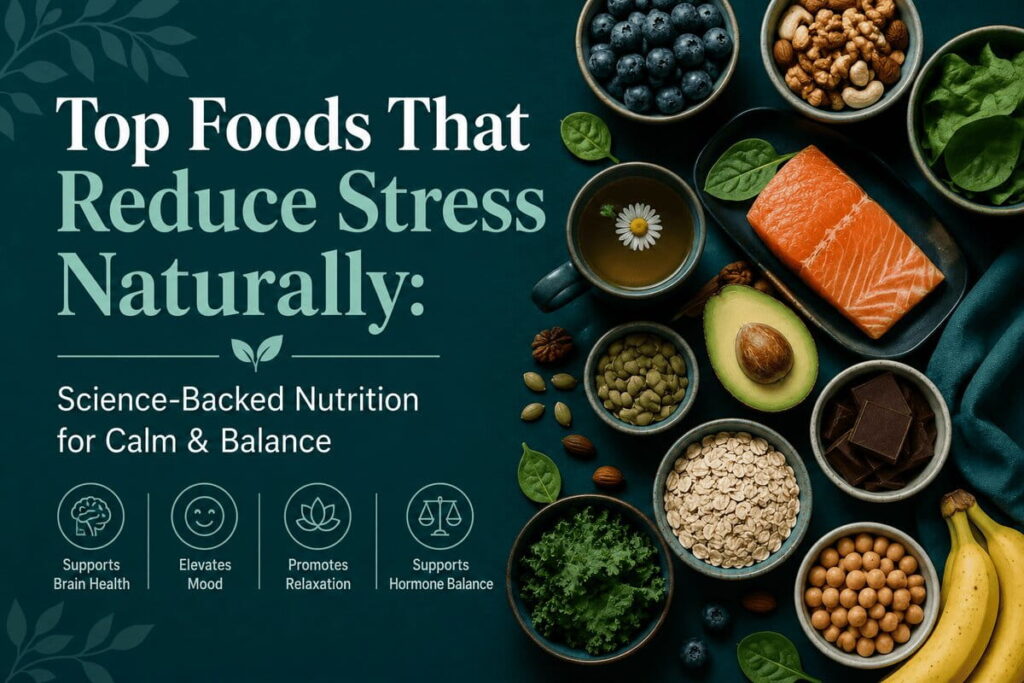
In fact, foods that reduce stress naturally include fatty fish, leafy greens, dark chocolate, nuts, fermented foods, and whole grains, all of which support brain function, balance cortisol levels, and promote emotional well-being.
We’ll delve into the top stress-relieving foods that nature has to offer and have been proven by science, as well as detail their physiological mechanisms. If you are experiencing the stresses of work or life, anxiety, or burnout, these foods will help you to get back to a state of equilibrium without the need for any substances.
Why Food Matters for Stress Reduction
When stress occurs, the body releases cortisol and adrenaline, which are hormones that help the body survive in the short term. But if the stress is chronic, the levels of these hormones remain high, and this situation leads to the so-called “stress disease” which is characterized by tiredness, anxiety, inflammation, and the lack of necessary nutrients in the body.
Work as the precursors of serotonin and dopamine
Help in maintaining blood sugar levels (thus, stabilizing moods)
Reduce inflammation and oxidative stress
Nourish the gut-brain axis
Give essential minerals such as magnesium, zinc, and B vitamins
Proper nutrition, when maintained regularly, can have a great impact on one’s ability to withstand stress.
1. Fatty Fish (Salmon, Sardines, Mackerel)
Key Nutrients: Omega-3 fatty acids (EPA & DHA), Vitamin D Why It Reduces Stress: One of the major roles of omega-3s is to lower inflammation through their anti-inflammatory property, and they also help the body regulate the levels of the cortisol hormone, which is responsible for stress. Evidence from studies reveals that the mechanisms involved in making nerve cells communicate may be the major factor through which omega-3s ameliorate symptoms of anxiety and depression.
Best Choices:
Wild-caught salmon
Sardines
Mackerel
Anchovies
How to Eat: Grilled salmon, sardines on whole-grain toast, or fish tacos with avocado.
2. Dark Chocolate (70% Cocoa or Higher)
Key Nutrients: Magnesium, polyphenols, flavonoids Why It Reduces Stress: Dark chocolate reduces cortisol levels and increases mood-enhancing substances like serotonin. Magnesium is very helpful in relaxing muscles and soothing the nervous system.
Serving Tip: 1–2 small squares per day is enough, avoid sugary milk chocolate.
3. Leafy Green Vegetables (Spinach, Kale, Swiss Chard)
Key Nutrients: Magnesium, folate, vitamin C Why They Reduce Stress: A lack of magnesium in the body is one of the main causes of anxiety and tension. Neurotransmitter production is supported by leafy greens, which also help relieve oxidative stress.
Best Options:
Spinach
Kale
Arugula
Swiss chard
How to Eat: Smoothies, salads, and sautéed with olive oil and garlic.
4. Nuts and Seeds (Almonds, Walnuts, Pumpkin Seeds)
Pumpkin seeds contain a lot of zinc, which is very important for the regulation of emotions.
Snack Idea: A small handful of mixed nuts or nut butter with apple slices.
5. Avocados
Key Nutrients: Potassium, B vitamins, monounsaturated fats Why They Reduce Stress: One of the ways avocados do good for the body is by stabilizing blood pressure and keeping the nervous system healthy. Vitamins B are very necessary, among other things, for the production of energy and giving balance to the stress hormones.
Bonus Benefit: They promote satiety, preventing blood sugar crashes that increase irritability.
6. Whole Grains (Oats, Brown Rice, Quinoa)
Key Nutrients: Complex carbohydrates, fiber, B vitamins Why They Reduce Stress: Besides, the complex carbohydrates are able to raise the serotonin production and maintain the blood sugar level stable, which is very important for the regulation of one’s mood.
Key Nutrients: Probiotics, gut-friendly bacteria Why They Reduce Stress: The gut-brain connection is a key factor in anxiety and mood disorders. Probiotics are agents that help in the regulation of neurotransmitters and decrease inflammation.
Best Options:
Plain Greek yogurt
Kefir
Sauerkraut
Kimchi
Miso
8. Herbal Teas (Chamomile, Green Tea, Ashwagandha)
Key Compounds: L-theanine, apigenin, adaptogens Why They Reduce Stress:
Chamomile promotes relaxation and sleep
Green tea contains L-theanine, which calms the mind without drowsiness
Ashwagandha helps regulate cortisol levels
Best Time to Drink: Evening or during high-stress periods.
Key Nutrients: Antioxidants, vitamin C Why They Reduce Stress: Cortisol levels are lowered with the help of vitamin C, while antioxidants that come along protect the brain from stress-induced oxidative damage.
Easy Add-Ons: Smoothies, oatmeal toppings, or yogurt bowls.
10. Eggs
Key Nutrients: Choline, protein, B vitamins Why They Reduce Stress: Brain function and neurotransmitter balance are greatly supported by choline. In addition, protein is helpful in the maintenance of blood sugar that is stable and thus, the occurrence of stress-induced blood sugar crashes is prevented.
Best Preparation: Boiled, poached, or lightly scrambled with vegetables.
Foods to Limit When Managing Stress
Adding calming foods is crucial, but it is equally important to reduce stress-causing foods.
Limit or Avoid:
Excess caffeine
Refined sugar
Highly processed foods
Alcohol
Artificial sweeteners
These can spike cortisol and worsen anxiety symptoms.
Sample Stress-Reducing Meal Plan
Breakfast: Oatmeal with fresh berries, pumpkin seeds, and grated dark chocolate
Lunch: Salmon salad with leafy greens, avocado, and olive oil
Snack: Greek yogurt with walnuts
Dinner: Quinoa bowl with roasted vegetables and fermented kimchi